Books › The birth dearth
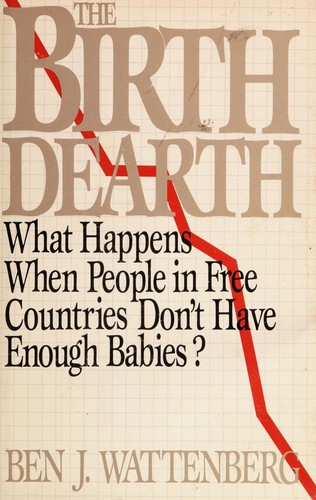
The birth dearth
First published 1987 · 210 pages
An urgent, data-driven exploration of how shrinking populations threaten to reshape the economic and cultural foundations of the modern world.
What it feels like
Reading this book feels like sitting in a war room where the enemy isn't a foreign power, but a quiet, creeping statistical trend. The pace is steady and methodical, building an increasingly urgent case through accessible data and journalistic prose. It immerses the reader in an atmosphere of serious, contemplative apprehension, transforming abstract demographic charts into a foreboding narrative about the future of the developed world. The tone balances earnest policy analysis with a palpable sense of alarm, making the numbers feel deeply personal and culturally significant. It will thoroughly engage policy wonks, political science enthusiasts, and anyone fascinated by the invisible macro-forces that quietly dictate the rise and fall of societies.
- Mood
- apprehensive
- serious
- contemplative
- foreboding
- Tone
- urgent
- analytical
- persuasive
- earnest
- alarmist
- Pace
- steady
- Themes
- demographic destiny · societal decline · economic anxiety · the future of the West · family and state
- The writing
- Journalistic and accessible, translating dense demographic data into clear, persuasive arguments.
- The arc
- Begins with a curious exploration of statistical trends before building into a persistent, anxious urgency about the future of society.
- Who it's for
- Policy wonks, political history buffs, and readers fascinated by how macro-level demographic shifts shape the future of human civilization.
Content notes
- discussions of fertility
- cultural anxiety
- political controversy
About the book
The Birth Dearth is a 1987 non-fiction book by Ben J. Wattenberg, a political scientist and author. The book argues that the declining birth rate in developed countries is a serious problem that could have far-reaching consequences for the economy, society, and culture.
Wattenberg begins by examining the historical trends in birth rates. He notes that the birth rate in the United States has been declining since the early 1970s, and that this trend is not unique to the United States. He also notes that the birth rate is declining in other developed countries, such as Japan, Germany, and France.
Wattenberg then argues that the declining birth rate is a problem because it will lead to a smaller workforce and a larger elderly population. He also argues that the declining birth rate will make it more difficult to sustain economic growth and social programs.
Wattenberg concludes by proposing a number of solutions to the birth dearth. He suggests that governments should provide financial incentives for couples to have children, and that they should make it easier for women to combine work and family.
The Birth Dearth was a controversial book when it was published. Some critics argued that Wattenberg was exaggerating the problem, while others argued that he was proposing unrealistic solutions. However, the book has been influential in shaping the debate about the declining birth rate.
Description from Open Library.
Books like The birth dearth
See why they match Limits to GrowthDonella H. MeadowsA sobering, data-driven look into the future that fundamentally shifts how you view human progress and planetary boundaries.
 The strange death of EuropeDouglas MurrayA somber, urgent lament for a continent's shifting cultural identity and uncertain future.
 The bell curveRichard J. HerrnsteinA dense, highly controversial academic treatise that attempts to map the societal implications of cognitive stratification.
 End of the World Is Just the BeginningPeter ZeihanA cheerfully apocalyptic masterclass in how the modern world works and exactly why it is about to fall apart.
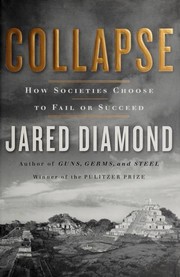 CollapseJared M. DiamondA sweeping, sobering autopsy of fallen civilizations that holds a mirror up to our own precarious future.
 The collapse of complex societiesTainter, JosephA rigorous, sobering exploration of how the very complexity we build to solve our problems eventually becomes the weight that crushes us.