Books › The Book of Lost Names

The Book of Lost Names
478 pages
A poignant tribute to the quiet, dangerous heroism of preserving identity and love in the darkest of times.
What it feels like
Reading this novel feels like unearthing a fragile, precious artifact. It balances the quiet melancholy of a contemporary framing narrative with the gripping, high-stakes tension of the French Resistance. The mood is steeped in a bittersweet nostalgia, shadowed by the ever-present dread of wartime peril, yet illuminated by fierce acts of quiet rebellion. The prose is accessible and emotionally direct, pulling you effortlessly through the dual timelines while keeping the focus tightly on the characters' internal struggles and sacrifices. It is a steady, deeply moving experience that celebrates the power of the written word and the resilience of the human spirit. Fans of sweeping, romantic historical fiction centered on unsung female heroes and the enduring weight of memory will find themselves completely absorbed.
- Mood
- bittersweet
- tense
- nostalgic
- hopeful
- Tone
- earnest
- poignant
- reverent
- suspenseful
- Pace
- steady
- Themes
- power of the written word · preserving identity · quiet heroism · weight of memory · enduring love
- The writing
- Accessible and emotionally direct, the writing focuses on character interiority and atmospheric historical details without becoming overly dense.
- The arc
- Moves from the quiet melancholy of old age into the gripping tension of wartime resistance, culminating in a bittersweet but deeply satisfying resolution.
- Who it's for
- Readers who devour dual-timeline WWII fiction centered on unsung female heroes, the magic of books, and enduring romance.
Content notes
- war trauma
- antisemitism
- Holocaust themes
- loss of loved ones
- peril
About the book
Eva Traube Abrams, a semi-retired librarian in Florida, is shelving books when her eyes lock on a photograph in the New York Times. She freezes; it’s an image of a book she hasn’t seen in more than sixty years—a book she recognizes as The Book of Lost Names.
The accompanying article discusses the looting of libraries by the Nazis across Europe during World War II—an experience Eva remembers well—and the search to reunite people with the texts taken from them so long ago. The book in the photograph, an eighteenth-century religious text thought to have been taken from France in the waning days of the war, is one of the most fascinating cases. Now housed in Berlin’s Zentral- und Landesbibliothek library, it appears to contain some sort of code, but researchers don’t know where it came from—or what the code means. Only Eva holds the answer, but does she have the strength to revisit old memories?
As a graduate student in 1942, Eva was forced to flee Paris and find refuge in a small mountain town in the Free Zone, where she began forging identity documents for Jewish children fleeing to neutral Switzerland. But erasing people comes with a price, and along with a mysterious, handsome forger named Rémy, Eva decides she must find a way to preserve the real names of the children who are too young to remember who they really are. The records they keep in The Book of Lost Names will become even more vital when the resistance cell they work for is betrayed and Rémy disappears.
Description from Open Library.
Books like The Book of Lost Names
See why they match The Lost Girls of ParisPam JenoffA suspenseful and poignant historical journey that unearths the forgotten heroics and unbreakable bonds of female spies.
 Paris LibraryJanet Skeslien CharlesA warm, bittersweet love letter to the sanctuary of books and the quiet bravery of found family during dark times.
 The WomenKristin HannahA sweeping, emotionally shattering tribute to the unsung women of history that will leave you breathless and reaching for a tissue.
 The Alice networkKate QuinnA gripping, dual-timeline journey of espionage and resilience that unearths the forgotten heroics of women in the shadows of war.
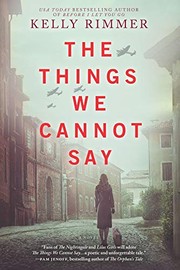 The Things We Cannot SayKelly RimmerA sweeping, emotionally devastating journey through the shadows of occupied Poland, where love and secrets echo across generations.
 The Book Woman of Troublesome CreekKim Michele RichardsonA resilient journey through rugged Appalachian hollers, celebrating the quiet defiance of a marginalized woman armed with the power of books.