Books › The Things We Cannot Say

The Things We Cannot Say
704 pages
A sweeping, emotionally devastating journey through the shadows of occupied Poland, where love and secrets echo across generations.
What it feels like
This novel immerses the reader in a steady, emotionally devastating exploration of love tested by the horrors of war. The mood is heavy with dread and heartbreak as the narrative traces the slow, suffocating grip of military occupation on a rural Polish village, contrasting the innocent optimism of youth with the brutal realities of survival. The prose is earnest and reflective, drawing readers deeply into the internal spaces between hope and despair. It is a story built on the tension of waiting and the weight of family secrets buried for decades. Readers who appreciate sweeping historical fiction centered on enduring romance, generational trauma, and the profound personal sacrifices demanded by conflict will find themselves deeply moved by this poignant journey.
- Mood
- dread-soaked
- heartbreaking
- tense
- nostalgic
- Tone
- earnest
- somber
- reflective
- urgent
- Pace
- steady
- Themes
- endurance of love · wartime survival · family secrets · loss of innocence · generational trauma
- The writing
- Evocative and emotionally charged, focusing heavily on the internal landscape of grief and the stark realities of survival.
- The arc
- Moves from the innocent optimism of young love into the suffocating dread of occupation, culminating in a desperate clinging to hope amidst profound loss.
- Who it's for
- Readers who are drawn to sweeping historical fiction that centers on enduring romance and the devastating personal costs of war.
Content notes
- war themes
- military occupation
- grief and loss
- fear of violence
About the book
In 1942, Europe remains in the relentless grip of war. Just beyond the tents of the refugee camp she calls home, a young woman speaks her wedding vows. It’s a decision that will alter her destiny...and it’s a lie that will remain buried until the next century.
Since she was nine years old, Alina Dziak knew she would marry her best friend, Tomasz. Now fifteen and engaged, Alina is unconcerned by reports of Nazi soldiers at the Polish border, believing her neighbors that they pose no real threat, and dreams instead of the day Tomasz returns from college in Warsaw so they can be married. But little by little, injustice by brutal injustice, the Nazi occupation takes hold, and Alina’s tiny rural village, its families, are divided by fear and hate.
Then, as the fabric of their lives is slowly picked apart, Tomasz disappears. Where Alina used to measure time between visits from her beloved, now she measures the spaces between hope and despair, waiting for word from Tomasz and avoiding the attentions of the soldiers who patrol her parents’ farm. But for now, even deafening silence is preferable to grief.
Description from Open Library.
Books like The Things We Cannot Say
See why they match The Book of Lost NamesKristin HarmelA poignant tribute to the quiet, dangerous heroism of preserving identity and love in the darkest of times.
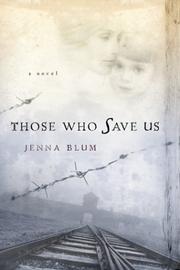 Those Who Save UsJenna BlumA haunting exploration of inherited guilt and the heartbreaking lengths a mother will go to survive.
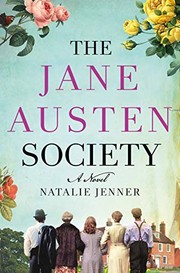 The Jane Austen SocietyNatalie JennerA gentle, comforting exploration of how shared love for a beloved author can heal the quiet traumas of a post-war world.
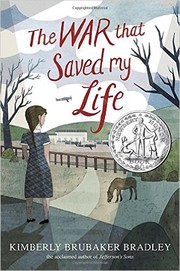 The war that Saved my LifeKimberly Brubaker BradleyA deeply moving journey of a fiercely resilient girl discovering the world, her own worth, and the healing power of found family.
 Lilac GirlsMartha Hall KellyA sweeping, emotionally devastating tapestry of three women whose lives collide in the darkest shadows of World War II.
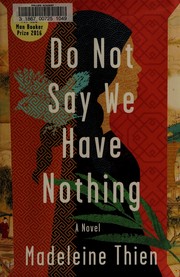 Do not say we have nothingMadeleine ThienA sweeping, melancholic excavation of a fractured family's past, where art and inherited trauma echo across generations.