Books › The Box

The Box
544 pages
A fascinating, paradigm-shifting deep dive into the mundane metal box that quietly rewired the global economy.
What it feels like
Reading this book feels like putting on a pair of X-ray glasses that suddenly reveal the hidden circulatory system of the modern world. It is a steady, meticulously researched journey that transforms a profoundly boring object into a thrilling catalyst for global upheaval. The prose is clear and analytical, guiding you through the gritty docks of mid-century New York to the sprawling, automated ports of modern Asia without ever losing its narrative momentum. There is a distinct mood of industrious awe that permeates the pages, appealing deeply to readers who love untangling the invisible threads of infrastructure, economics, and logistics that dictate our daily lives. It leaves you looking at cargo ships and highway trucks with a newfound, almost reverent understanding.
- Mood
- intellectual
- industrious
- expansive
- pragmatic
- Tone
- analytical
- authoritative
- engaging
- objective
- Pace
- steady
- Themes
- hidden mechanics of the modern world · unintended consequences of innovation · globalization and interconnectedness · industrial transformation
- The writing
- Clear, accessible, and meticulously researched, turning dry economic data and logistical history into a compelling, readable narrative.
- The arc
- Moves from mild curiosity about a mundane object to a profound, lingering awe at the sheer scale of global interconnectedness.
- Who it's for
- Curious minds and armchair economists who love understanding the invisible systems, infrastructure, and logistics that shape our everyday lives.
Content notes
- economic displacement
- labor disputes
About the book
In April 1956, a refitted oil tanker carried fifty-eight shipping containers from Newark to Houston. From that modest beginning, container shipping developed into a huge industry that made the boom in global trade possible. The Box tells the dramatic story of the container's creation, the decade of struggle before it was widely adopted, and the sweeping economic consequences of the sharp fall in transportation costs that containerization brought about. Drawing on previously neglected sources, economist Marc Levinson shows how the container transformed economic geography, devastating traditional ports such as New York and London and fueling the growth of previously obscure ones, such as Oakland. By making shipping so cheap that industry could locate factories far from its customers, the container paved the way for Asia to become the world's workshop and brought consumers a previously unimaginable variety of low-cost products from around the globe.--From publisher description.
Description from Open Library.
Books like The Box
See why they match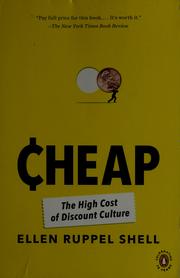 CheapEllen Ruppel ShellA sobering, eye-opening journey into the hidden psychological and economic toll of our addiction to a bargain.
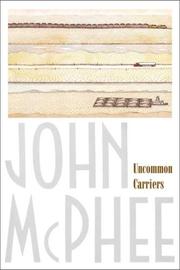 Uncommon CarriersJohn McPheeAn immersive, journalistic journey alongside the people who steer the massive, hidden machinery of global freight.
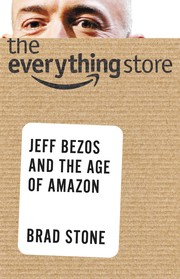 The Everything StoreBrad StoneA gripping, fly-on-the-wall plunge into the relentless engine room of modern retail's most formidable empire.
 The World Is Flat -A Brief History OF THE TWENTY-FIRST CENTURYThomas L. FriedmanA sweeping, anecdote-driven tour of a rapidly shrinking globe that leaves you feeling both awestruck and urgently compelled to keep pace.
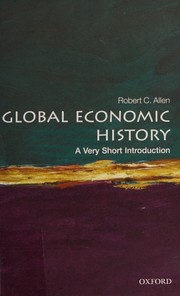 Global economic historyRobert C. AllenA sweeping, efficient distillation of five centuries of global wealth, poverty, and the policies that divided the world.
 The PrizeDaniel YerginA sweeping, high-stakes epic that reveals the hidden, viscous lifeblood of modern geopolitics and human ambition.