Books › The captain is out to lunch and the sailors have taken over the ship

The captain is out to lunch and the sailors have taken over the ship
144 pages
An intimate, unguarded glimpse into the mind of a poet navigating the absurdities of life and literature.
What it feels like
Reading this book feels like sitting across from a seasoned writer as he reflects on a lifetime of creative rebellion and the inherent chaos of existence. Blending the candid intimacy of a diary with the sharp, observant eye of a poet, the narrative unfolds at a meandering, contemplative pace. The tone is wry and unguarded, capturing the restless energy of a life spent observing the world from the margins of Los Angeles. It explores the writing life, the passage of time, and the feeling of being adrift in a world where the metaphorical captain is out to lunch. This is a read for those who appreciate raw, unvarnished reflections on art, mortality, and the messy reality of the human condition.
- Mood
- contemplative
- restless
- intimate
- Tone
- wry
- reflective
- unguarded
- cynical
- Pace
- meandering
- Themes
- the writing life · creative rebellion · navigating chaos · reflections on mortality
- The writing
- Raw, unvarnished, and deeply personal, blending the rhythm of poetry with the candidness of a diary.
- The arc
- Moves from a restless observation of life's absurdities to a quiet, poetic reflection on a lifetime of writing.
- Who it's for
- Readers who appreciate unfiltered, biographical reflections on the creative process and the chaotic nature of existence.
Content notes
- existential themes
- discussions of mortality
About the book
Charles Bukowski is one of America's best-known contemporary writers of poetry and prose, and, many would claim, its most influential and imitated poet. He was born in Andernach, Germany, and raised in Los Angeles, where he lived for fifty years. He published his first story in 1944, when he was twenty-four, and began writing poetry at the age of thirty-five. He died in San Pedro, California, on March 9, 1994, at the age of seventy-three, shortly after completing his last novel, Pulp (1994).
Description from Open Library.
Books like The captain is out to lunch and the sailors have taken over the ship
See why they match The Last Night of the Earth PoemsCharles BukowskiA late-night conversation in a dive bar with a world-weary friend who still manages to find flashes of beauty in the gutter.
 Dangling in the tournefortiaCharles BukowskiA raw, smoke-stained dispatch from the dive bars of the soul, finding bruised beauty in the ugly realities of aging and excess.
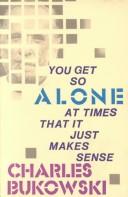 You get so alone at times that it just makes senseBukowskiA late-night, whiskey-soaked meditation on the quiet absurdity and profound isolation of modern life.
 Dreams from Bunker HillJohn FanteA manic, sun-baked hustle through 1930s Los Angeles, fueled by cheap diners, towering ego, and the desperate hunger to create.
 Howl, and Other PoemsAllen GinsbergA breathless, jazz-fueled scream against conformity that finds the sacred in the gutter.
 Illuminations, and other prose poemsArthur RimbaudA fever dream of glittering cities, mystical visions, and shattered realities captured in bursts of incandescent prose.