Books › The case for Mars
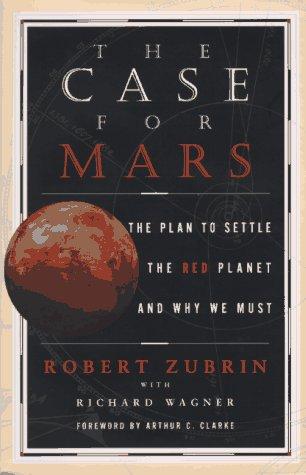
The case for Mars
First published 1996 · 368 pages
A pragmatic, step-by-step blueprint that transforms interplanetary colonization from distant science fiction into an achievable near-term reality.
What it feels like
Reading this book feels like sitting in a briefing room with a visionary engineer who is methodically dismantling the barriers to human expansion. The atmosphere is steeped in a grounded, practical optimism, replacing the distant dreams of science fiction with concrete, step-by-step blueprints for interplanetary survival. The prose is clear and persuasive, guiding the reader through the mechanics of fuel production, habitat construction, and planetary terraforming using present-day technology. It moves at a steady, deliberate pace, building a compelling and awe-inspiring case for our cosmic potential. This is a deeply satisfying read for pragmatic dreamers and space enthusiasts who crave actionable science over speculative fantasy, leaving them with a profound sense that the stars are finally within our reach.
- Mood
- awe-inspiring
- practical
- forward-looking
- hopeful
- Tone
- earnest
- pragmatic
- visionary
- persuasive
- optimistic
- Pace
- steady
- Themes
- human expansion · technological pragmatism · planetary colonization · sustainable futures
- The writing
- Clear, methodical, and persuasive, breaking down complex scientific concepts into accessible, step-by-step arguments.
- The arc
- Moves from a sense of distant impossibility to grounded, actionable optimism about humanity's cosmic potential.
- Who it's for
- Space enthusiasts and pragmatic dreamers who want concrete, scientifically grounded plans for interplanetary exploration rather than science fiction.
About the book
The Case for Mars is not a vision for the far future or one that will cost us impossible billions. It explains step-by-step how we can use present-day technology to send humans to Mars within ten years; actually produce fuel and oxygen on the planet's surface with Martian natural resources; how we can build bases and settlements; and how we can one day "terraform" Mars - a process that can alter the atmosphere of planets and pave the way for sustainable life.
Description from Open Library.
Books like The case for Mars
See why they match How we'll live on MarsStephen PetranekA thrilling, pragmatic roadmap to humanity's next great frontier that makes science fiction feel like tomorrow's news.
 Green MarsKim Stanley RobinsonA sweeping, scientifically rigorous epic that immerses you in the slow, monumental work of building a new world and a new society.
 MarsBen BovaA grounded, meticulously researched journey into the harsh realities and awe-inspiring triumphs of interplanetary exploration.
 Blue MarsKim Stanley RobinsonA sweeping, deeply philosophical meditation on time, ecology, and the monumental effort required to build a utopian society.
 The future of humanityMichio KakuAn exhilarating, mind-expanding leap into the cosmos that makes the impossible feel like tomorrow's news.
 The man who sold the moonRobert Anson HeinleinA sharp, boardroom-driven vision of space exploration where the greatest hurdles aren't the laws of physics, but the limits of funding and bureaucracy.