Books › The Castle of Otranto
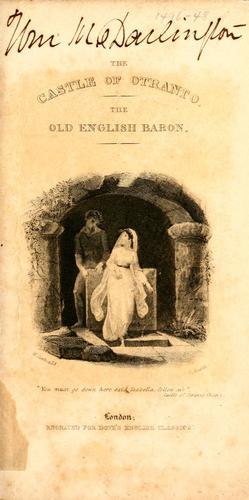
The Castle of Otranto
First published 1995 · 306 pages
A breathless, shadowy descent into a foundational nightmare of family curses, doomed bloodlines, and inescapable supernatural dread.
What it feels like
Reading this foundational gothic tale feels like stepping into a delightfully theatrical nightmare where the shadows are long, the architecture is oppressive, and the melodrama is dialed to the absolute maximum. The narrative moves at a surprisingly brisk, almost breathless clip, dragging the reader through subterranean trapdoors, moonlit chapels, and echoing corridors alongside characters gripped by perpetual panic. While modern readers might find a touch of camp in its giant spectral armor and swooning heroines, the atmosphere remains genuinely eerie and claustrophobic. The prose is ornate and earnest, wrapping you in a thick fog of dynastic anxiety and supernatural retribution. It is a must-read for anyone who loves the dark, romantic aesthetics of classic horror and wants to experience the exact moment the haunted house genre was born.
- Mood
- shadowy
- claustrophobic
- dread-soaked
- uncanny
- Tone
- melodramatic
- theatrical
- earnest
- sensational
- Pace
- brisk
- Themes
- sins of the father · inescapable fate · supernatural retribution · dynastic anxiety · the weight of the past
- The writing
- Ornate and highly theatrical, driven by breathless dialogue and archaic flourishes that heighten the constant sense of melodrama.
- The arc
- Begins with a sudden, shocking tragedy and spirals into a breathless, claustrophobic panic before culminating in a grand, fateful revelation.
- Who it's for
- Fans of classic gothic literature and literary history who delight in atmospheric, campy, and foundational tales of haunted castles and doomed bloodlines.
Content notes
- murder
- death of a child
- confinement
- coercion
About the book
This book is the earliest and most influential of the Gothic novels. First published pseudonymously in 1764, The Castle of Otranto purported to be a translation of an Italian story of the time of the crusades. In it Walpole attempted, as he declared in the Preface to the second edition, "to blend the two kinds of romance: the ancient and the modern." He gives us a series of catastrophes, ghostly interventions, revelations of identity, and exciting contests. Crammed with invention, entertainment, terror, and pathos, the novel was an immediate success and Walpole's own favorite among his numerous works. - Back cover.
Description from Open Library.
Books like The Castle of Otranto
See why they match The Mysteries of UdolphoAnn RadcliffeA slow-burn descent into atmospheric dread, where crumbling castles and sublime landscapes mirror the psychological terror of a captive heroine.
 An Arabian taleWilliam BeckfordAn opulent, doomed descent into supernatural excess that marries classic Gothic dread with extravagant fantasy.
 The VampyreJohn William PolidoriA chilling descent into high-society darkness where aristocratic charm masks a predatory, inescapable evil.
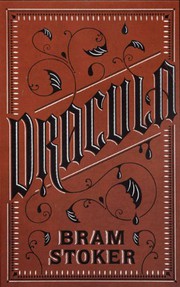 DraculaBram StokerA creeping, epistolary descent into gothic dread where modern rationality battles an ancient, seductive evil.
 The Monk: A Romance. In Three Volumes. By M. G. Lewis, ..Matthew LewisA feverish, transgressive plunge into the darkest corners of repressed desire and religious hypocrisy.
 GormenghastMervyn PeakeA descent into a sprawling, decaying labyrinth where ancient rituals suffocate the living and ambition breeds monstrous consequences.