Books › The Vampyre

The Vampyre
First published 1824 · 365 pages
A chilling descent into high-society darkness where aristocratic charm masks a predatory, inescapable evil.
What it feels like
Reading this foundational Gothic tale feels like stepping into a dimly lit, velvet-draped parlor where the air is thick with unspoken threats. The prose is formal and sweeping, carrying you briskly from the glittering drawing rooms of London to the desolate ruins of Greece. It is an experience steeped in a very specific kind of dread—not of monsters hiding in the shadows, but of monsters who operate in plain sight, armed with wealth, charm, and aristocratic privilege. The atmosphere is suffocatingly paranoid, tracing a naive protagonist’s realization that he is bound to a charismatic predator. It will deeply satisfy readers who love the brooding, melodramatic atmosphere of early Romantic literature and those fascinated by the literary origins of the suave, manipulative villain.
- Mood
- dread-soaked
- gloomy
- oppressive
- aristocratic
- Tone
- formal
- melodramatic
- cautionary
- cynical
- Pace
- brisk
- Themes
- aristocratic predation · corruption of innocence · the allure of evil · fatal oaths · powerlessness
- The writing
- The prose is formal, sweeping, and steeped in the ornate, slightly detached sensibilities of early 19th-century Romanticism.
- The arc
- The journey moves from naive, wide-eyed fascination into a suffocating spiral of paranoia and inevitable doom.
- Who it's for
- Readers who crave the brooding, velvet-draped melodrama of classic Gothic fiction and love a suave, manipulative villain.
Content notes
- murder
- psychological manipulation
- predatory behavior
- death of a sibling
About the book
The Vampyre*, a short gothic novel by John William Polidori, was first published in 1819 and is considered the first modern vampire story. The story features Lord Ruthven, a seductive aristocrat with unnatural powers over men and women, and an insatiable thirst for blood. Polidori's innovative portrayal of the vampire as a Byronic figure is said to have set the template for the modern vampire.
Description from Open Library.
Books like The Vampyre
See why they match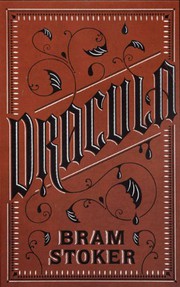 DraculaBram StokerA creeping, epistolary descent into gothic dread where modern rationality battles an ancient, seductive evil.
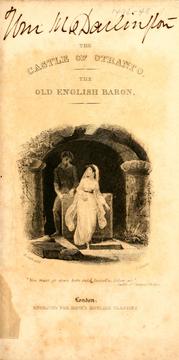 The Castle of OtrantoHorace WalpoleA breathless, shadowy descent into a foundational nightmare of family curses, doomed bloodlines, and inescapable supernatural dread.
 CarmillaSheridan Le FanuA fever dream of velvet shadows, creeping dread, and dangerous, intoxicating desire.
 In a glass darklyJoseph Sheridan Le FanuA masterclass in creeping Victorian dread where the line between supernatural haunting and psychological collapse is terrifyingly blurred.
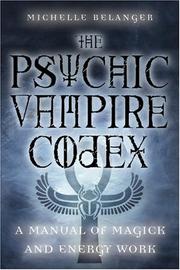 Psychic Vampire CodexMichelle A. BelangerAn esoteric guide that bridges the literary allure of the vampire with practical energy work.
 The Murders in the Rue MorgueEdgar Allan PoeA descent into a gaslit, locked-room nightmare where cold logic is the only lantern against the grotesque.