Books › The Chessmen of Mars

The Chessmen of Mars
First published 1922 · 585 pages
A swashbuckling plunge into a bizarre, perilous world where survival hinges on the rules of a deadly, life-sized game.
What it feels like
Reading this classic planetary romance feels like unearthing a time capsule of pure, unadulterated pulp adventure. The atmosphere is steeped in an exotic, perilous energy, transporting you to a dying world populated by bizarre creatures and ancient, crumbling cities. The prose is grandiose and unapologetically melodramatic, painting vivid pictures of sword fights, daring escapes, and strange societies with a charmingly archaic flair. It moves at a brisk, breathless pace, sweeping the reader along on a tide of chivalric romance and high-stakes survival. It is a book that delights in its own wild imagination, perfect for readers who want to surrender to the nostalgic thrill of old-school sci-fi where heroes are bold, monsters are grotesque, and every shadow hides a new, thrilling danger.
- Mood
- exotic
- perilous
- pulpy
- thrilling
- Tone
- adventurous
- melodramatic
- earnest
- imaginative
- Pace
- brisk
- Themes
- the mind-body connection · chivalry and honor · survival against the odds · deadly games
- The writing
- Grandiose and descriptive, the vintage pulp prose revels in archaic flourishes and vivid, bizarre world-building.
- The arc
- The journey moves from sudden, disorienting peril in an alien wilderness to a triumphant, swashbuckling climax.
- Who it's for
- Readers who crave old-school sword-and-planet adventures filled with bizarre creatures, daring rescues, and unabashed melodrama.
Content notes
- fantasy violence
- abduction
- outdated cultural tropes
About the book
SHEA had just beaten me at chess, as usual, and, also as usual, I had gleaned what questionable satisfaction I might by twitting him with this indication of failing mentality by calling his attention to the nth time to that theory, propounded by certain scientists, which is based upon the assertion that phenomenal chess players are always found to be from the ranks of children under twelve, adults over seventy-two or the mentally defective - a theory that is lightly ignored upon those rare occasions that I win.
Description from Open Library.
Books like The Chessmen of Mars
See why they match A Princess of MarsEdgar Rice BurroughsA swashbuckling leap into a dying, savage world where chivalry and swordplay meet alien wonders.
 The Master Mind of MarsEdgar Rice BurroughsA breathless, sword-swinging plunge into a bizarre alien world where mad science meets chivalric romance.
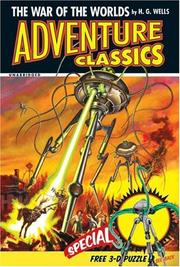 The War of the WorldsH. G. WellsA chilling, journalistic account of humanity's sudden plunge from the apex of the food chain to desperate prey.
 Bardelys the MagnificentRafael SabatiniA theatrical plunge into the tense, gossipy world of French aristocratic wagers and courtly pride.
 The Hour of the DragonRobert E. HowardA bold, pulp-era plunge into mythic adventure and relentless conquest.
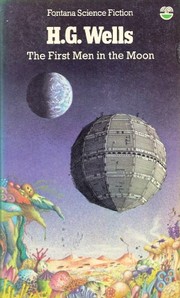 The First Men in the MoonH. G. WellsA vintage cosmic adventure that shifts from whimsical scientific discovery to a chilling critique of human greed and imperialism.