Books › The War of the Worlds

The War of the Worlds
944 pages
A chilling, journalistic account of humanity's sudden plunge from the apex of the food chain to desperate prey.
What it feels like
Reading this foundational classic feels like unearthing a terrifying historical dispatch from the end of the world. The narrative moves with a propulsive, breathless urgency, anchoring the unimaginable scale of an alien invasion in the quiet, familiar lanes of the English countryside. There is a profound sense of dread that permeates every page, driven by the stark realization of humanity's cosmic insignificance. The prose is journalistic and precise, stripping away melodrama to deliver visceral, haunting images of towering mechanical tripods and choking red weed. It is a deeply atmospheric, claustrophobic experience that strips away the illusion of human supremacy. This book will captivate readers who crave apocalyptic survival stories laced with sharp philosophical critiques of empire and hubris.
- Mood
- dread-soaked
- apocalyptic
- claustrophobic
- desperate
- Tone
- journalistic
- urgent
- philosophical
- bleak
- Pace
- propulsive
- Themes
- cosmic insignificance · fragility of civilization · imperial hubris · survival instinct
- The writing
- Journalistic and precise, blending Victorian formality with stark, visceral imagery of sudden destruction.
- The arc
- Begins in comfortable complacency, plunges into sheer apocalyptic terror, and resolves in a fragile, shell-shocked relief.
- Who it's for
- Readers who love foundational science fiction and apocalyptic survival stories that balance visceral panic with philosophical weight.
Content notes
- mass destruction
- existential dread
- violence
- panic and stampedes
- body horror elements
About the book
The ultimate science fiction classic: for more than one hundred years, this compelling tale of the Martian invasion of Earth has enthralled readers with a combination of imagination and incisive commentary on the imbalance of power that continues to be relevant today. The style is revolutionary for its era, employing a sophisticated first and third person account of the events which is both personal and focused on the holistic downfall of Earth's society. The Martians, as evil, mechanical and unknown a threat they are, remain daunting in today's society, where, despite technology's mammoth advances, humanity's hegemony over Earth is yet to be called into question. In Well's introduction to the book, where the character discusses with the later deceased Ogilvy about astronomy and the possibility of alien life defeating the 'savage' (to them) nineteenth-century Britain, is he insinuating that this is the truth and fate of humanity? It's up to you to decide...
Description from Open Library.
Books like The War of the Worlds
See why they match The Time MachineH. G. WellsA cozy Victorian parlor conversation spirals into a haunting, dread-soaked journey to the end of the world.
 The war in the airH. G. WellsA prophetic and harrowing descent into global conflict, where the marvels of aviation become the instruments of civilization's collapse.
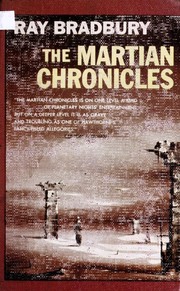 The Martian ChroniclesRay BradburyA haunting, poetic meditation on humanity's flaws and dreams, set against the rust-red sands of an ancient, dying world.
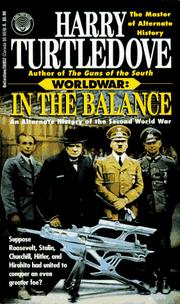 In the BalanceHarry TurtledoveA sprawling, gritty alternate history epic that forces humanity's bitterest enemies to unite against an unstoppable alien armada.
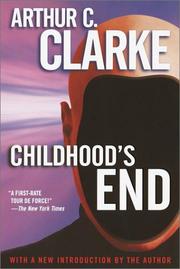 Childhood’s EndArthur Charles ClarkeA sweeping, melancholic meditation on the ultimate destiny of humanity and the bittersweet price of a perfect world.
 The country of the blindHerbert George WellsA brisk, eerie journey through thought experiments that peel back the everyday to reveal the terrifying wonders of the unknown.