Books › The Cuckoo’s Egg
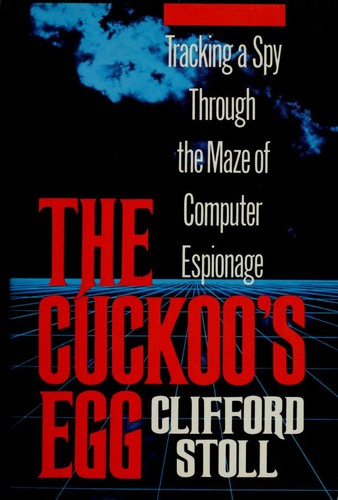
The Cuckoo’s Egg
Tracking a Spy Through the Maze of Computer Espionage
457 pages
A cozy yet high-stakes cat-and-mouse game played out over the glowing green text of 1980s computer terminals.
What it feels like
Reading this feels like pulling up a chair next to a brilliant, slightly eccentric friend as they recount the wildest year of their life over a pot of strong coffee. It perfectly captures the cozy, analog warmth of 1980s academia colliding with the icy, high-stakes paranoia of Cold War espionage. The narrative hums with the obsessive energy of a late-night puzzle-solver, turning tedious computer logs and dial-up modems into a propulsive, edge-of-your-seat thriller. Despite the retro technology, the tension feels incredibly immediate, driven by a deeply human stubbornness to find the truth. It will absolutely delight true-crime fans, tech nostalgists, and anyone who loves a story where sheer, unadulterated geekery saves the day.
- Mood
- retro-tech nostalgic
- tense
- cozy
- paranoid
- Tone
- conversational
- wry
- obsessive
- geeky
- earnest
- Pace
- propulsive
- Themes
- the thrill of the chase · obsessive persistence · birth of the digital age · David vs. Goliath
- The writing
- Highly accessible and diary-like, blending enthusiastic geekery with the pacing of a classic detective novel.
- The arc
- Begins with mild, bureaucratic annoyance and spirals into a gripping, obsessive paranoia before resolving in hard-won vindication.
- Who it's for
- Readers who love true-crime thrillers, retro technology, and stories of ordinary people falling down extraordinary rabbit holes.
Content notes
- Cold War paranoia
About the book
In the days when the presence of a computer did NOT presume the presence of a network (they used to be freestanding units that could not easily communicate with another system), accounts to use the computer were expensive to maintain and heavily scrutinized by management. When the Accounting staff of Stoll's university employer discovered 75 cents' worth of time used with which no user was associated, they called him and demanded that he locate the "phantom" user. Stoll wasn't even a computing pro - he was an astronomer that used the computer to run programs that pointed telescopes properly. But he was a member of a club that exists today - that person elected to do network administration because he drew the short straw. Stoll tells the ensuing circa 1985 tale of analysis when people worldwide were only just discovering what networks could reveal... and hide. Rather like today.
Description from Open Library.
Books like The Cuckoo’s Egg
See why they match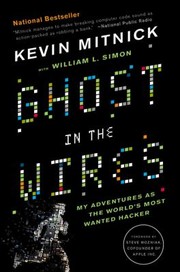 Ghost in the WiresKevin MitnickA breathless, high-stakes game of digital hide-and-seek that reads like a cyber-heist thriller.
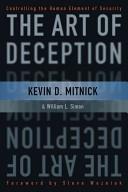 The Art of DeceptionKevin D. Mitnick and William L. SimonA thrilling, eye-opening masterclass in human manipulation that will leave you questioning the security of every phone call and email.
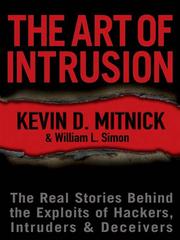 The Art of IntrusionKevin D. Mitnick and William L. SimonA gripping, true-crime tour through the clandestine world of hackers, where human psychology is the ultimate security flaw.
 Countdown to Zero Day: Stuxnet and the Launch of the World's First Digital WeaponKim ZetterA gripping, real-life techno-thriller that unspools the terrifying dawn of digital warfare.
 Cult of the Dead CowJoseph MennA thrilling, clandestine ride through the underground origins of hacktivism and the digital rebels who shaped the modern internet.
 The Code BookSimon SinghA thrilling intellectual treasure hunt through history that reveals the invisible mathematical wars fought in the shadows.