Books › The Devil's Dictionary
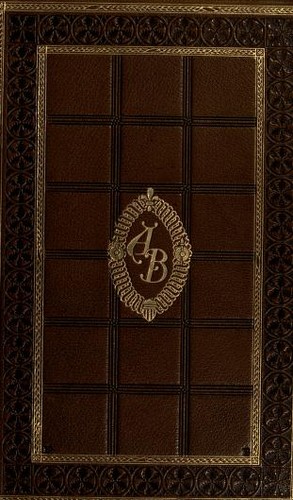
The Devil's Dictionary
440 pages
A razor-sharp, alphabetical dismantling of human hypocrisy that serves as a perfect companion for the delightfully cynical.
What it feels like
Reading this collection feels less like following a narrative and more like sitting in a dimly lit parlor with the world's most articulate misanthrope. It is a brisk, highly browsable experience, designed to be dipped into rather than devoured whole. The atmosphere is steeped in a delightfully dark, irreverent wit that spares no one, skewering politicians, the clergy, and everyday citizens with equal precision. The prose is elegantly formal, which only makes the biting, aphoristic punchlines land with sharper impact. It creates a mood of intellectual rebellion and sardonic amusement. This is the perfect read for word nerds and seasoned cynics who prefer their humor bone-dry and their societal observations ruthlessly, hilariously accurate.
- Mood
- irreverent
- darkly comedic
- intellectual
- Tone
- cynical
- sardonic
- wry
- satirical
- biting
- Pace
- brisk
- Themes
- societal hypocrisy · absurdity of human nature · malleability of language · political corruption
- The writing
- Aphoristic, razor-sharp, and elegantly archaic, delivering lethal punchlines with Victorian formality.
- The arc
- A steady immersion into a delightfully pessimistic worldview that leaves the reader feeling both amused and intellectually vindicated.
- Who it's for
- Cynics, word nerds, and lovers of dark satire who appreciate a dry, intellectual takedown of societal norms.
Content notes
- misanthropy
- dated language
- dark humor
About the book
The Devil's Dictionary was begun in a weekly paper in 1881, and was continued in a desultory way at long intervals until 1906. In that year a large part of it was published in covers with the title The Cynic's Word Book, a name which the author had not the power to reject or happiness to approve. To quote the publishers of the present work: "This more reverent title had previously been forced upon him by the religious scruples of the last newspaper in which a part of the work had appeared, with the natural consequence that when it came out in covers the country already had been flooded by its imitators with a score of 'cynic' books - The Cynic's This, The Cynic's That, and The Cynic's t'Other. Most of these books were merely stupid, though some of them added the distinction of silliness. Among them, they brought the word "cynic" into disfavor so deep that any book bearing it was discredited in advance of publication."Meantime, too, some of the enterprising humorists of the country had helped themselves to such parts of the work as served their needs, and many of its definitions, anecdotes, phrases and so forth, had become more or less current in popular speech. This explanation is made, not with any pride of priority in trifles, but in simple denial of possible charges of plagiarism, which is no trifle. In merely resuming his own the author hopes to be held guiltless by those to whom the work is addressed - enlightened souls who prefer dry wines to sweet, sense to sentiment, wit to humor and clean English to slang.
Description from Open Library.
Books like The Devil's Dictionary
See why they match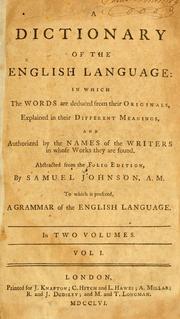 A dictionary of the English languageSamuel JohnsonAn opinionated, deeply literary stroll through the eccentricities of the English language, guided by a brilliantly curmudgeonly scholar.
 On BullshitHarry G. FrankfurtA deadpan, razor-sharp philosophical dissection of why people talk without caring about the truth.
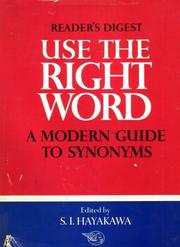 Use the Right WordS. I. HayakawaA precise and methodical exploration of language that helps writers navigate the subtle shades of meaning between related words.
 Word by wordKory StamperA joyful, irreverent romp through the obsessive and surprisingly messy world of dictionary-making.
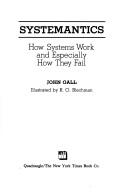 SystemanticsJohn GallA deadpan, aphoristic survival guide to the inevitable failures of complex organizations and human endeavors.
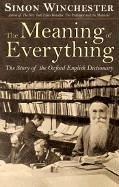 The meaning of everythingSimon WinchesterAn engaging, anecdote-rich journey through the monumental, decades-long obsession required to catalog the English language.