Books › The Divided Self

The Divided Self
First published 1959 · 240 pages
A radical, deeply empathetic descent into the fractured psyche that blurs the line between madness and profound existential truth.
What it feels like
Reading this book feels like stepping through a mirror into the fractured, terrifying, yet profoundly logical world of the unmoored mind. It moves at a steady, deliberate pace, demanding that you slow down and sit with the existential dread and profound alienation of its subjects. The prose is remarkably lucid and poetic for a clinical text, stripping away medical jargon to reveal the raw, beating heart of human suffering. There is an unsettling intimacy to the experience; it challenges your fundamental assumptions about sanity, identity, and what it means to be a person in the world. It is a deeply compassionate, intellectually charged journey that will captivate readers who are fascinated by the fragile architecture of the self and the philosophical dimensions of mental illness.
- Mood
- introspective
- unsettling
- compassionate
- intellectually charged
- Tone
- empathetic
- analytical
- philosophical
- radical
- earnest
- Pace
- steady
- Themes
- the fractured identity · existential dread · societal alienation · the nature of sanity · the search for authentic selfhood
- The writing
- Lucid and phenomenological, blending clinical observation with the poetic weight of existential philosophy.
- The arc
- Begins as an intellectual inquiry into madness and deepens into a profoundly unsettling yet compassionate confrontation with the fragility of the human mind.
- Who it's for
- Thinkers and seekers drawn to the intersection of psychology and philosophy who want to understand the profound depths of human alienation.
Content notes
- mental illness
- psychosis
- existential distress
- suicidal ideation
- institutionalization
About the book
First published in 1960, this watershed work aimed to make madness comprehensible, and in doing so revolutionized the way we perceive mental illness. Using case studies of patients he had worked with, psychiatrist R. D. Laing argued that psychosis is not a medical condition but an outcome of the 'divided self', or the tension between the two personas within us: one our authentic, private identity, and the other the false, 'sane' self that we present to the world.
Description from Open Library.
Books like The Divided Self
See why they match The origin of consciousness in the breakdown of the bicameral mindJulian JaynesA sweeping, deeply unsettling, and awe-inspiring journey into the ancient mind that will forever change how you hear your own internal monologue.
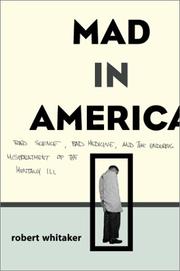 Mad in AmericaRobert WhitakerA sobering, meticulously researched indictment of the psychiatric establishment that will leave you questioning everything you know about mental healthcare.
 The Human MindKarl A. MenningerA compassionate, foundational exploration that bridges the gap between clinical psychiatry and everyday human experience.
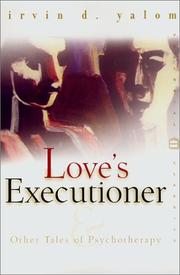 Love's ExecutionerIrvin D. YalomAn unflinchingly honest, deeply empathetic look into the messy, beautiful reality of two humans sitting in a room trying to make sense of existence.
 The Female MaladyShowalter, Elaine; Showalter, E.A chilling, meticulously researched exploration of how the medical establishment weaponized madness to control women.
 The Shock of the FallNathan FilerA raw, immersive plunge into the turbulent and spinning reality of mental illness.