Books › The End of Average
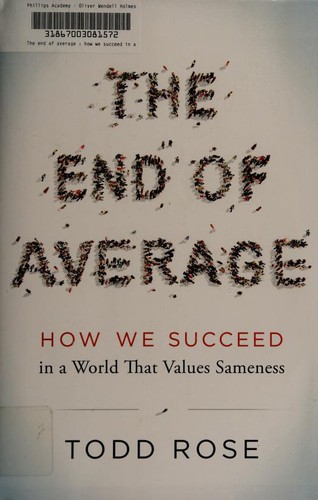
The End of Average
256 pages
A validating, paradigm-shifting exploration that dismantles the myth of the 'normal' person and celebrates the jagged reality of human potential.
What it feels like
Reading this book feels like a sudden, deep exhale for anyone who has ever felt they didn't quite fit the mold. It moves at a brisk, engaging pace, blending historical anecdotes with accessible science to dismantle the invisible systems that measure us against a non-existent 'average.' The mood is intensely validating and intellectually stimulating, replacing the dread of standardized metrics with a hopeful, empowering atmosphere. The prose is clear and persuasive, guiding you from the frustrating origins of industrial-era conformity to a liberating new framework for understanding human capability. It is a perfect fit for fans of pop-psychology and behavioral economics who crave a paradigm shift, offering a profound sense of relief and a fresh lens through which to view their own unique, jagged profile of strengths.
- Mood
- validating
- intellectually stimulating
- hopeful
- Tone
- persuasive
- optimistic
- analytical
- empowering
- Pace
- brisk
- Themes
- the myth of conformity · redefining success · systemic flaws · individual potential · the jaggedness of human ability
- The writing
- Clear, engaging, and anecdote-driven, translating complex statistical history into digestible, actionable insights.
- The arc
- Moves from a frustrating realization of how deeply flawed systems constrain us to a liberating sense of personal validation and possibility.
- Who it's for
- Readers who feel stifled by traditional metrics of success, as well as educators and leaders looking to unlock human potential.
Content notes
- discussion of systemic bias
About the book
Why don't Meyers-Briggs personality tests really work? Why are HR tests for new employees often meaningless? Why doesn't BMI - body mass index - correlate to actual health or physical fitness? Individuals behave, learn, and develop in different ways, but these unique patterns of human behavior get lost in massive systems that play to average performance and average abilities, instead of individual performance and abilities. These systems made sense almost two centuries ago at the dawn of the Industrial Revolution, but in today's globalized digital world they are outdated and inadequate. Yet, every single one of us is affected by these archaic systems. They are far more prevalent that you can imagine, and far more insidious: standardized tests, academic grading systems, job applicant profiling, job performance reviews, job training, even medical treatments. These systems ignore our differences and ultimately fail at measuring and maximizing our potential. As the first popular book on the science of the individual, The End of Average draws upon the very latest findings in the fields of psychology and sociology to show how, when we focus on individual findings rather than group averages, we are empowered to rethink the world and our place in it.
Description from Open Library.
Books like The End of Average
See why they match RangeDavid EpsteinA validating and intellectually thrilling defense of the late bloomer, the dabbler, and the jack-of-all-trades.
 OutliersMalcolm GladwellAn engaging journey that dismantles the myth of the self-made genius to reveal the hidden forces behind extraordinary success.
 Average is OverTyler CowenA sobering but pragmatic look at the widening economic divide and how technology is permanently rewriting the rules of work.
 How we learnBenedict CareyA reassuring, science-backed permission slip to stop cramming and start letting your brain learn the way it actually wants to.
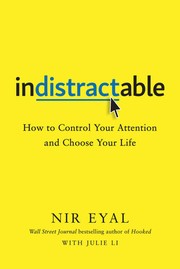 IndistractableNir EyalA practical, empowering toolkit for silencing the noise and reclaiming your most valuable resource: your attention.
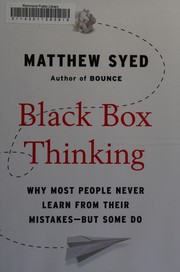 Black box thinkingMatthew SyedA paradigm-shifting exploration of why we hide our mistakes and how embracing them is the only true path to innovation.