Books › Range

Range
Why Generalists Triumph in a Specialized World
352 pages
A validating and intellectually thrilling defense of the late bloomer, the dabbler, and the jack-of-all-trades.
What it feels like
Reading this book feels like letting out a massive sigh of relief. For anyone who has ever worried they are falling behind by not specializing early, the narrative offers a profound sense of validation. The prose is crisp and briskly paced, propelled by fascinating case studies that weave together sports, science, and art to build a deeply persuasive argument. It creates an atmosphere of expansive possibility, replacing the claustrophobic pressure of the ten-thousand-hour rule with a sunlit, open field of exploration. You will find yourself nodding along, feeling seen and empowered by the realization that a meandering path is actually a hidden superpower. It is an absolute delight for the endlessly curious and those seeking permission to pivot.
- Mood
- optimistic
- validating
- intellectually stimulating
- expansive
- Tone
- persuasive
- encouraging
- analytical
- inquisitive
- accessible
- Pace
- brisk
- Themes
- the power of diverse experiences · late blooming · cognitive flexibility · redefining success · cross-disciplinary thinking
- The writing
- Crisp, narrative-driven, and highly readable, seamlessly weaving rigorous scientific research with captivating human anecdotes.
- The arc
- Begins by dismantling the anxiety-inducing myth of early specialization and builds toward a deeply empowering validation of the meandering path.
- Who it's for
- Endlessly curious generalists, career-pivoters, and anyone who has ever felt behind because they refused to pick just one lane.
About the book
What's the most effective path to success in any domain? It's not what you think.
Plenty of experts argue that anyone who wants to develop a skill, play an instrument, or lead their field should start early, focus intensely, and rack up as many hours of deliberate practice as possible. If you dabble or delay, you'll never catch up to the people who got a head start. But a closer look at research on the world's top performers, from professional athletes to Nobel laureates, shows that early specialization is the exception, not the rule.
David Epstein examined the world's most successful athletes, artists, musicians, inventors, forecasters and scientists. He discovered that in most fields--especially those that are complex and unpredictable--generalists, not specialists, are primed to excel. Generalists often find their path late, and they juggle many interests rather than focusing on one. They're also more creative, more agile, and able to make connections their more specialized peers can't see.
Provocative, rigorous, and engrossing, Range makes a compelling case for actively cultivating inefficiency. Failing a test is the best way to learn. Frequent quitters end up with the most fulfilling careers. The most impactful inventors cross domains rather than deepening their knowledge in a single area. As experts silo themselves further while computers master more of the skills once reserved for highly focused humans, people who think broadly and embrace diverse experiences and perspectives will increasingly thrive.
Description from Open Library.
Books like Range
See why they match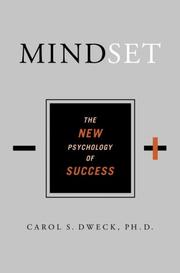 MindsetCarol S. DweckA paradigm-shifting exploration of how our underlying beliefs about our own abilities dictate the boundaries of our success.
 Think AgainAdam GrantA friendly, intellectually stimulating invitation to dismantle your deepest assumptions and discover the freedom of changing your mind.
 Hidden PotentialAdam GrantAn uplifting, science-backed dismantling of the natural talent myth that makes remarkable growth feel entirely within your reach.
 The sports geneDavid J. EpsteinA fascinating, globe-trotting investigation into the biological blueprints of human greatness.
 The little book of talentDaniel CoyleA pocket-sized coach that demystifies greatness into bite-sized, actionable habits.
 How we learnBenedict CareyA reassuring, science-backed permission slip to stop cramming and start letting your brain learn the way it actually wants to.