Books › The European house of cards

The European house of cards
First published 1995 · 300 pages
A sobering, intellectually rigorous dissection of a geopolitical union teetering on the edge of fragmentation.
What it feels like
Reading this book feels like sitting in a high-stakes diplomatic briefing during a period of profound global uncertainty. The atmosphere is serious and intellectually demanding, steeped in the apprehensive mood of the post-Cold War era. The prose is steady and analytical, carefully stacking historical context and political theory to build a compelling, cautionary argument about the fragility of international cooperation. It does not rely on sensationalism; instead, the tension arises from the very real stakes of national self-interest clashing with collective survival. This is a deeply absorbing read for policy wonks, history buffs, and anyone fascinated by the precarious architecture of modern geopolitics, offering a clear-eyed look at the cracks in the foundation of a united continent.
- Mood
- apprehensive
- intellectual
- serious
- uncertain
- Tone
- analytical
- urgent
- cautionary
- objective
- persuasive
- Pace
- steady
- Themes
- political fragility · nationalism vs unity · post-Cold War anxiety · institutional vulnerability · the burden of power
- The writing
- Academic and structured, delivering complex geopolitical arguments with clarity and rhetorical weight.
- The arc
- Moves from a sobering assessment of fractured alliances to an urgent, cautionary plea for collective unity.
- Who it's for
- Readers fascinated by modern European history, international relations, and the intricate mechanics of geopolitical unions.
Content notes
- political anxiety
- discussion of geopolitical instability
About the book
The European Union's self-confidence and sense of purpose have become casualties of the fall of communism, and, as a result, uncertainty over the European Union's political and economic future within the post-Soviet world is intensifying. As common political, security and economic Cold-War bonds have loosened, a dangerously divisive struggle between member-state national self-interest and the Union's collective best interests has been revealed.
The European House of Cards argues that if the Union's member-states continue to undermine their common power and effectiveness through 'nation-state-first' bickering and ideological conflict, they risk paying a very high price. For it is certain that the rapid pace of post-Cold-War change will not pause to grant the Union members extra time to put their much-divided house in order.
To the contrary, it is in the midst of this fluctuating and insecure world that the European Union is being forced to assume the responsibilities befitting a new world power. It is precisely at this critical juncture that greater unity among Union nations holds the key not only to the survival of the European Union, but to that of the continent.
Description from Open Library.
Books like The European house of cards
See why they match The strange death of EuropeDouglas MurrayA somber, urgent lament for a continent's shifting cultural identity and uncertain future.
 PostwarTony JudtA magisterial, sweeping journey through the ashes of a shattered continent as it painstakingly rebuilds its identity and its borders.
 The fall of YugoslaviaMisha GlennyA gripping, boots-on-the-ground descent into the chaotic collapse of a nation and the devastating human cost of unchecked nationalism.
 The age of extremesEric J. HobsbawmA sweeping, sobering masterclass in making sense of the twentieth century's most turbulent and transformative decades.
 The End of History and the Last ManFrancis FukuyamaA sweeping, mountaintop view of human civilization that leaves you wrestling with the quiet anxiety of what happens after we win the ideological war.
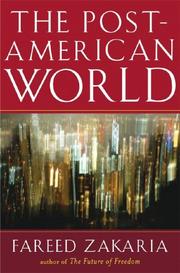 The post-American worldFareed ZakariaA clear-eyed, panoramic view of a rapidly changing globe that replaces anxiety with pragmatic optimism.