Books › The experience of literature
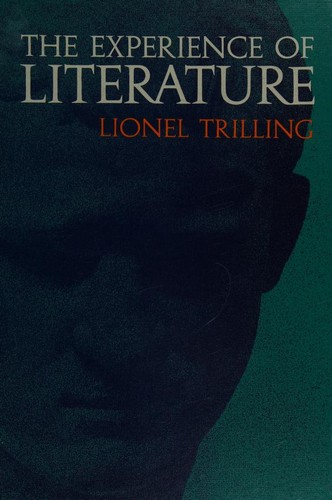
The experience of literature
1320 pages
A guided, deeply intellectual stroll through the masterpieces of Western literature, illuminated by elegant critical commentary.
What it feels like
Reading this collection feels like sitting in a wood-paneled university seminar room with one of the twentieth century's most brilliant literary minds. It is a leisurely, deeply contemplative experience that asks you to slow down and truly engage with the mechanics and soul of classic literature. The mood is reverent yet rigorously analytical, balancing the raw emotional power of writers like Chekhov, Shakespeare, and Dostoevsky with lucid, elegant commentary. Rather than rushing from plot to plot, the reader is invited to linger on the psychological depth and moral ambiguities that define the human condition. It will thoroughly delight lifelong learners, aspiring writers, and devoted bibliophiles who want to understand not just what great literature says, but how it makes us feel.
- Mood
- contemplative
- intellectually stimulating
- reverent
- Tone
- erudite
- analytical
- thoughtful
- authoritative
- Pace
- leisurely
- Themes
- the human condition · moral ambiguity · psychological depth · existential inquiry · the power of art
- The writing
- The framing essays are lucid, elegant, and deeply humane, providing a steady anchor amidst the varied voices of the anthologized masters.
- The arc
- Begins with intellectual curiosity and deepens into a profound, resonant appreciation for the complexities of human nature.
- Who it's for
- Lifelong learners and devoted bibliophiles who crave a guided, analytical journey through the masterpieces of Western literature.
Content notes
- grief
- existential dread
- death
- suicide
About the book
Table of Contents (the following all with commentaries/criticism): Sophocles - Oedipus Rex; William Shakespeare - The Tragedy of King Lear; Henrik Ibsen - The Wild Duck; Anton Chekhov - The Three Sisters; George Bernard Shaw - The Doctor's Dilemma; Luigi Pirandello - Six Characters in Search of an Author: a comdey in the making; William Butler Years - Purgatory; Bertolt Brecht - Galileo; Nathaniel Hawthorne - My Kinsman, Major Molineaux; Herman Melville - Bartleby the Scrivener: a story of Wall Street; Fedor Dostoevski - The Grand Inquisitor; Leo Tolstoi - The Death of Ivan Ilych; William Somerset Maugham - The Treasure; Guy de Maupassant - Duchoux; Anton Checkhov - Enemies; Henry James - The Pupil; Joseph Conrad - The SEcret Sharer; James Joyce - The Dead; Franz Kafka - The Hunter Gracchus; D.H. Lawrence - Tickets, Please; E.M. Forster - The Road from Colonus; Thomas Mann - Disorder and Early Sorrow; Isaac Babel - Di Grasso: a tale of Odessa; Isak Dinesen - The Sailor-Boy's Tale; Ernest Hemingway - Hills Like White Elephants; William Faulkner - Barn Burning; John O'Hara Summer's Day; Lionel Trilling - Of this Time, of that Place; Albert Camus - The Guest; Bernard Malamud - The Magic Barrel; Various poems by Sir Thomas Wyatt, John Donne, John Milton, Andrew Marvell, Alexander Pope, William Blake, William Wordsworth, Samuel Taylor Coleridge, George Gordon, Lord Byron, Percy Bysshe Shelley, John Keats, Matthew Arnold, Walt Whitman, Gerard Manley Hopkins, Emily Dickinson, William butler Yeats, Thomas Stearns Eliot, robert Frost, E.E. Cummings, W.H. Auden, Robert Lowell The following additional poems are included by the following authors but do not have commentary/criticism: John Skelton, Sir Thomas Wyatt, Edmund Spenser, Christopher Marlowe, Sir Walter Ralegh, William Shakespeare, Thomas Nashe, Sir John Davies, Ben Jonson, John Donne, John Webster, Robert Herrick, George Herbert, Thomas Carew, James Shirley, Edmund Waller, John Milton, Sir John.
Description from Open Library.
Books like The experience of literature
See why they match![Cover of The United States in Literature [with three long stories] -- Seventh Edition](https://covers.openlibrary.org/b/id/6699609-M.jpg) The United States in Literature [with three long stories] -- Seventh EditionJames E. Miller Jr.A curated journey through the eerie, dramatic, and foundational shadows of classic American storytelling.
The United States in Literature [with three long stories] -- Seventh EditionJames E. Miller Jr.A curated journey through the eerie, dramatic, and foundational shadows of classic American storytelling. Great short works of Leo TolstoyLeo TolstoyA piercing, unsparing gaze into the depths of the human soul, stripping away societal illusions to confront the raw realities of life and death.
 Perrine's Literature--Structure, Sound, and Sense--Seventh EditionThomas R. ArpA structured, illuminating masterclass that unlocks the hidden mechanics of the world's greatest stories and poems.
![Cover of The Stories of Anton Chekhov [23 stories]](https://covers.openlibrary.org/b/id/12750227-M.jpg) The Stories of Anton Chekhov [23 stories]Anton Pavlovich ChekhovA masterclass in the quiet tragedies and fleeting graces of ordinary human lives.
The Stories of Anton Chekhov [23 stories]Anton Pavlovich ChekhovA masterclass in the quiet tragedies and fleeting graces of ordinary human lives. The Western canonHarold BloomA fierce, erudite love letter to the towering geniuses of literature and a passionate defense of reading for aesthetic pleasure alone.
 The Death of Ivan Ilych and other storiesgraf Leo TolstoyA piercing, unsparing confrontation with mortality that strips away the illusions of a comfortable life to reveal the raw necessity of spiritual truth.