Books › The Western canon

The Western canon
the books and school of the ages
578 pages
A fierce, erudite love letter to the towering geniuses of literature and a passionate defense of reading for aesthetic pleasure alone.
What it feels like
Reading this book feels like sitting in the wood-paneled study of a brilliant, fiercely opinionated professor who is determined to save your soul through literature. The pace is steady and demanding, requiring you to slow down and wrestle with grandiloquent, aphoristic prose that drips with deep literary allusion. The mood oscillates between a combative, polemical defense of high culture against modern ideological trends and a hushed, awe-struck reverence for the sheer aesthetic power of writers like Shakespeare, Dante, and Joyce. It is an unapologetically elitist and deeply passionate experience. This book will delight devoted bibliophiles, literature students, and intellectual contrarians who believe that reading the classics is a profound, life-altering pursuit of beauty rather than a political exercise.
- Mood
- intellectual
- reverent
- combative
- contemplative
- Tone
- erudite
- polemical
- passionate
- authoritative
- elegiac
- Pace
- steady
- Themes
- aesthetic autonomy · literary immortality · the anxiety of influence · defense of high culture · the genius of Shakespeare
- The writing
- Grandiloquent, aphoristic, and fiercely opinionated, dripping with deep literary allusion and unapologetic elitism.
- The arc
- Begins with a fiery, defensive stance against modern ideological criticism and softens into a profound, awe-struck reverence for literary genius.
- Who it's for
- Devoted bibliophiles and intellectual contrarians who view reading as a sacred, aesthetic pursuit rather than a political exercise.
About the book
Harold Bloom explores our Western literary tradition by concentrating on the works of twenty-six authors central to the Canon. He argues against ideology in literary criticism; he laments the loss of intellectual and aesthetic standards; he deplores multiculturalism, Marxism, feminism, neoconservatism, Afrocentrism, and the New Historicism.
Insisting instead upon "the autonomy of the aesthetic," Bloom places Shakespeare at the center of the Western Canon. Shakespeare has become the touchstone for all writers who come before and after him, whether playwrights poets or storytellers. In the creation of character, Bloom maintains, Shakespeare has no true precursor and has left no one after him untouched.
Milton, Samuel Johnson, Goethe, Ibsen, Joyce, and Beckett were all indebted to him; Tolstoy and Freud rebelled against him; and Dante, Wordsworth, Austen, Dickens, Whitman, Dickinson, Proust, the modern Hispanic and Portuguese writers Borges, Neruda, and Pessoa are exquisite examples of how canonical writing is born of an originality fused with tradition. Bloom concludes this provocative, trenchant work with a complete list of essential writers and books - his vision of the Canon.
Description from Open Library.
Books like The Western canon
See why they match How to read and whyHarold BloomAn impassioned, erudite invitation to treat the reading of great literature as a profound act of self-discovery.
 The anxiety of influenceHarold BloomAn insightful, deeply personal exploration of how artists wrestle with the inescapable shadows of their literary ancestors.
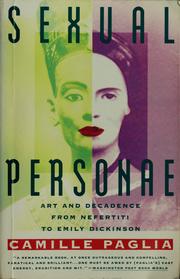 Sexual PersonaeCamille PagliaA sweeping, scholarly excavation of the pagan, sexual, and decadent undercurrents pulsing beneath the surface of Western literature.
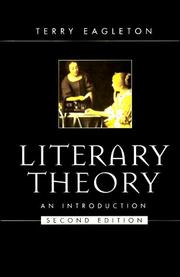 Literary theoryTerry EagletonAn engaging, unpretentious journey through the major movements of contemporary literary thought.
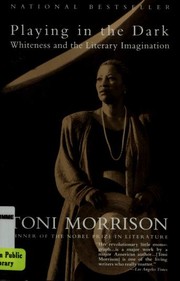 Playing in the darkToni MorrisonA brilliant, paradigm-shifting lens that permanently alters how you read the American literary canon.
 The art of literary researchRichard Daniel AltickA methodical and thoughtful exploration of the evolving landscape of literary scholarship and research.