Books › The Fifth Discipline

The Fifth Discipline
464 pages
A paradigm-shifting masterclass in seeing the hidden webs of connection that drive human collaboration and success.
What it feels like
Reading this book feels like putting on a new pair of glasses that suddenly brings the chaotic blur of workplace dynamics into sharp, interconnected focus. It unfolds at a steady, deliberate pace, blending visionary philosophy with pragmatic, grounded case studies. The tone is earnest and deeply analytical, inviting you into an expansive, reflective mood where organizational bottlenecks transform into puzzles of human behavior. The prose is clear and structured, designed to dismantle old, rigid ways of thinking and replace them with a fluid understanding of systems. It is a deeply empowering read for leaders, managers, and team builders who are tired of quick fixes and crave a profound, sustainable approach to collective growth and continuous learning.
- Mood
- intellectual
- expansive
- reflective
- pragmatic
- Tone
- earnest
- authoritative
- visionary
- analytical
- encouraging
- Pace
- steady
- Themes
- systems thinking · collective intelligence · continuous growth · organizational transformation · interconnectedness
- The writing
- Clear, structured, and academic yet accessible, relying heavily on conceptual frameworks and real-world anecdotes.
- The arc
- Moves from a sense of organizational frustration to an empowering realization of interconnected potential.
- Who it's for
- Leaders, managers, and organizational development professionals who want to build adaptable, forward-thinking teams.
About the book
This revised edition of Peter Senge's bestselling classic, The Fifth Discipline, is based on fifteen years of experience in putting the book's ideas into practice. As Senge makes clear, in the long run the only sustainable competitive advantage is your organization's ability to learn faster than the competition. The leadership stories in the book demonstrate the many ways that the core ideas in The Fifth Discipline, many of which seemed radical when first published in 1990, have become deeply integrated into people's ways of seeing the world and their managerial practices. In The Fifth Discipline, Peter Senge describes how companies can rid themselves of the learning "disabilities" that threaten their productivity and success by adopting the strategies of learning organizations - ones in which new and expansive patterns of thinking are nurtured, collective aspiration is set free, and people are continually learning how to create results they truly desire. The revised and updated Currency edition of this business classic contains over one hundred pages of new material based on interviews with dozens of practitioners at companies like BP, Unilever, Intel, Ford, HP, Saudi Aramco, and organizations like Roca, Oxfam, and The World Bank. It features a new Foreword about the success Peter Senge has achieved with learning organizations since the book's inception, as well as new chapters on Impetus (getting started), Strategies, Leaders' New Work, Systems Citizens, and Frontiers for the Future. Mastering the disciplines Senge outlines in the book will reignite the spark of genuine learning driven by people focused on what truly matters to them; bridge teamwork into macro-creativity; free you of confining assumptions and mindsets; teach you to see the forest and the trees; end the struggle between work and personal time.--Book jacket.
Description from Open Library.
Books like The Fifth Discipline
See why they match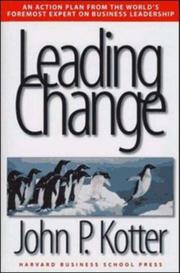 Leading ChangeJohn P. KotterA pragmatic, step-by-step masterclass in steering the massive, stubborn ship of human behavior toward a new horizon.
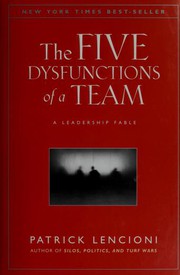 Las cinco disfunciones de un equipoPatrick M. LencioniA fast-paced corporate fable that transforms the messy reality of office politics into a clear roadmap for trust and collaboration.
 The Practice of ManagementPeter F. DruckerA masterclass in organizational physics that transforms chaotic business challenges into structured, solvable problems.
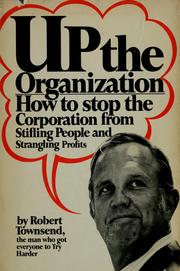 Up the organizationTownsend, RobertA delightfully blunt, A-to-Z survival guide for dismantling corporate bureaucracy and injecting common sense back into the workplace.
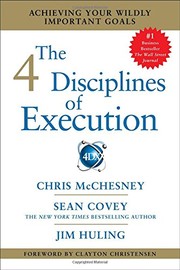 The 4 disciplines of executionChris McChesneyA pragmatic, energizing blueprint for cutting through the noise of daily tasks to actually get the big things done.
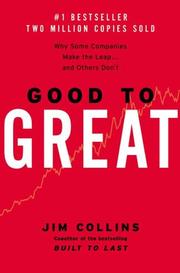 Good to GreatJim CollinsA methodical, research-backed roadmap that transforms the daunting challenge of organizational excellence into a series of disciplined, actionable steps.