Books › The Fortress of Solitude

The Fortress of Solitude
887 pages
A sprawling, music-soaked love letter to a vanished Brooklyn, capturing the fraught magic and inevitable heartbreak of a childhood defined by race and pop culture.
What it feels like
Reading this book feels like stepping onto a sun-baked, graffiti-covered Brooklyn sidewalk in the 1970s, surrounded by the thumping bass of funk and the sharp crack of a stickball bat. It is a sprawling, meandering epic that immerses you in the hyper-specific textures of urban boyhood, where comic books and soul records hold the weight of religious artifacts. The prose is dense and rhythmic, obsessively cataloging the cultural shifts of a neighborhood on the brink of gentrification. As the narrative drifts from the vibrant, fraught magic of youth into a more fractured, melancholic adulthood, the atmosphere shifts from exuberant to deeply wistful. It will captivate readers who crave immersive, culturally saturated literary fiction that wrestles with the messy, heartbreaking realities of race, class, and the ghosts of our past selves.
- Mood
- gritty
- wistful
- vibrant
- culturally saturated
- Tone
- nostalgic
- melancholic
- observant
- earnest
- Pace
- meandering
- Themes
- complexities of interracial friendship · loss of childhood innocence · weight of gentrification · cultural power of music and art · burden of memory
- The writing
- Dense, rhythmic, and encyclopedic, blending street slang with lyrical, hyper-observant literary flourishes.
- The arc
- Moves from the vibrant, fraught intensity of childhood discovery into a fractured, melancholic adulthood marked by loss and a search for redemption.
- Who it's for
- Readers who love sprawling, culturally immersive urban epics that dissect race, class, and the minutiae of pop culture.
Content notes
- drug abuse
- racism and racial slurs
- bullying and extortion
- incarceration
- parental abandonment
About the book
This is the story of two boys, Dylan Ebdus and Mingus Rude. They are friends and neighbors, but because Dylan is white and Mingus is black, their friendship is not simple. This is the story of their Brooklyn neighborhood, which is almost exclusively black despite the first whispers of something that will become known as "gentrification."
This is the story of 1970s America, a time when the most simple human decisions—what music you listen to, whether to speak to the kid in the seat next to you, whether to give up your lunch money—are laden with potential political, social and racial disaster. This is the story of 1990s America, when no one cared anymore.
This is the story of punk, that easy white rebellion, and crack, that monstrous plague. This is the story of the loneliness of the avant-garde artist and the exuberance of the graffiti artist.
This is the story of what would happen if two teenaged boys obsessed with comic book heroes actually had superpowers: They would screw up their lives.
This is the story of joyous afternoons of stickball and dreaded years of schoolyard extortion. This is the story of belonging to a society that doesn't accept you. This is the story of prison and of college, of Brooklyn and Berkeley, of soul and rap, of murder and redemption.
This is the story Jonathan Lethem was born to tell. This is THE FORTRESS OF SOLITUDE.
Description from Open Library.
Books like The Fortress of Solitude
See why they match Another BrooklynJacqueline WoodsonA haunting, poetic plunge into the intoxicating magic of girlhood friendships and the heavy shadows that eventually fracture them.
 Motherless BrooklynJonathan LethemA hyper-verbal, darkly comic spin on the classic noir, filtered through a mind that cannot stop playing with language.
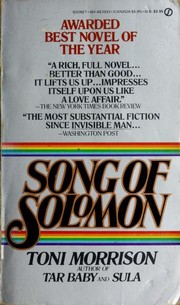 Song of SolomonToni MorrisonA mythic, soaring journey through ancestry and identity that blends the gritty reality of the American Rust Belt with the transcendent magic of folklore.
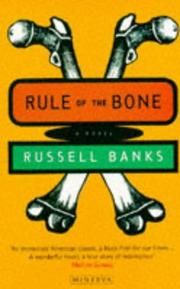 Rule of the BoneRussell BanksA gritty, modern-day picaresque that channels the raw, restless voice of a lost boy searching for a place in an unforgiving world.
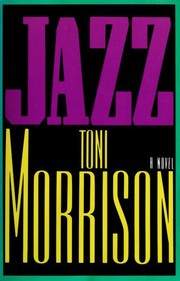 JazzToni MorrisonA syncopated, intoxicating plunge into the vibrant chaos of 1920s Harlem and the haunting echoes of the past.
 White TeethZadie SmithA sprawling, riotous tragicomedy that captures the messy, vibrant collision of cultures and generations in modern London.