Books › The Great Divorce

The Great Divorce
160 pages
A surreal, thought-provoking journey into the afterlife that asks what we are truly willing to give up for joy.
What it feels like
Reading this book feels like waking up in a vivid, slightly unsettling dream where the physical world is suddenly more real than you are. The narrative unfolds at a steady, conversational pace, built almost entirely on quiet dialogues between the stubbornly insubstantial ghosts of the damned and the luminous, painfully solid spirits of the saved. It is a deeply contemplative experience, wrapping sharp theological and psychological insights in a gentle, allegorical mist. The prose is lucid and imaginative, painting a landscape that is both beautiful and intimidating. It delights readers who crave philosophical fiction and moral introspection, offering a haunting but ultimately hopeful mirror to our own self-deceptions, earthly attachments, and the quiet tragedy of choosing our own misery over grace.
- Mood
- ethereal
- contemplative
- surreal
- luminous
- haunting
- Tone
- philosophical
- earnest
- allegorical
- gentle
- satirical
- Pace
- steady
- Themes
- the nature of choice · self-deception · spiritual surrender · earthly attachments · the reality of grace
- The writing
- Lucid, imaginative, and conversational, blending sharp theological insight with vivid, dreamlike imagery.
- The arc
- Moves from a dreary, gray confusion into a stark, overwhelming clarity that challenges the soul to surrender.
- Who it's for
- Readers who enjoy philosophical fiction, theological thought experiments, and gentle but piercing moral introspection.
Content notes
- theological discussions of hell
- grief and loss
About the book
What if anyone in Hell could take a bus trip to Heaven and stay there forever if they wanted to? In The Great Divorce C. S. Louis again employs his formidable talent for fable and allegory. The writer finds himself in Hell boarding a bus bound for Heaven. The amazing opportunity is that anyone who wants to stay in Heaven, can. This is the starting point for an extraordinary meditation upon good and evil, grace and judgment. Lewis's revolutionary idea is the discovery that the gates of Hell are locked from the inside. In Lewis's own words, "If we insist on keeping Hell (or even earth) we shall not see Heaven: if we accept Heaven we shall not be able to retain even the smallest and most intimate souvenirs of Hell." -- Jacket flap.
C.S. Lewis’ The Great Divorce is a classic Christian allegorical tale about a bus ride from hell to heaven. An extraordinary meditation upon good and evil, grace and judgment, Lewis’s revolutionary idea in the The Great Divorce is that the gates of Hell are locked from the inside. Using his extraordinary descriptive powers, Lewis’ The Great Divorce will change the way we think about good and evil.
Description from Open Library.
Books like The Great Divorce
See why they match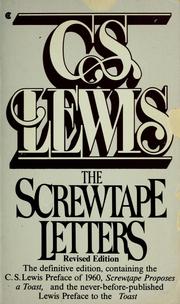 Novels (Screwtape Letters / Screwtape Proposes a Toast)Clive Staples LewisA wickedly clever masterclass in reverse psychology that exposes the quiet, everyday ways we lose our moral footing.
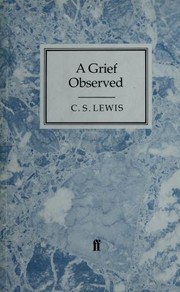 A Grief ObservedC. S. LewisAn unflinching, deeply intimate journal of spiritual wrestling and the raw anatomy of loss.
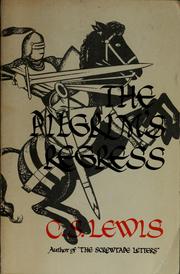 The pilgrim's regressC. S. LewisA satirical, soul-searching journey through the landscape of modern thought in pursuit of an elusive, transcendent joy.
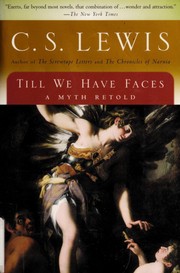 Till We Have FacesClive Staples LewisA fierce, confessional reckoning with the gods that exposes the dark, possessive underbelly of human love.
 The Flying InnG.K. ChestertonA boisterous, satirical romp across the English countryside that champions human liberty and good cheer against tyrannical state oversight.
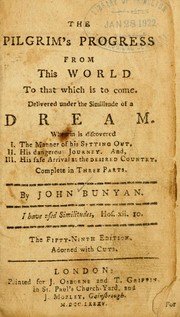 The Pilgrim's ProgressJohn BunyanA foundational, dreamlike allegory that maps the perilous geography of the human soul on its quest for salvation.