Books › The Great Influenza

The Great Influenza
960 pages
A sweeping, dread-soaked chronicle of humanity's collision with an invisible, apocalyptic force.
What it feels like
Reading this book feels like watching a slow-motion tidal wave approach from the shore. It is a deeply immersive, steady-paced experience that grounds you first in the fascinating, flawed world of early twentieth-century medicine before plunging you into the sheer terror of a global catastrophe. The atmosphere is heavy with dread and claustrophobia, yet illuminated by the brilliant, desperate efforts of scientists racing against time. The prose is authoritative and meticulously detailed, demanding your full attention as it weaves complex biology with sweeping historical drama. It will profoundly satisfy readers who love magisterial narrative nonfiction, offering a sobering, awe-inspiring journey that leaves you with a lingering respect for the terrifying power of nature and the resilience of human inquiry.
- Mood
- dread-soaked
- grim
- claustrophobic
- contemplative
- Tone
- authoritative
- sobering
- analytical
- urgent
- Pace
- steady
- Themes
- the fragility of society · human hubris vs. nature · the dawn of modern medicine · the cost of political deception
- The writing
- Meticulously detailed and magisterial, seamlessly weaving dense scientific explanation into a sweeping historical narrative.
- The arc
- Begins with intellectual curiosity about early medical science, descends into overwhelming dread as the pandemic accelerates, and concludes with a sobering respect for nature's power.
- Who it's for
- Readers who crave comprehensive, deeply researched narrative nonfiction that explores the intersection of science, history, and human catastrophe.
Content notes
- mass death
- pandemic anxiety
- medical trauma
- wartime casualties
About the book
At the height of WWI, history's most lethal influenza virus erupted in an army camp in Kansas, moved east with American troops, then exploded, killing as many as 100 million people worldwide. It killed more people in twenty-four months than AIDS killed in twenty-four years, more in a year than the Black Death killed in a century. But this was not the Middle Ages, and 1918 marked the first collision of science and epidemic disease. Magisterial in its breadth of perspective and depth of research and now revised to reflect the growing danger of the avian flu, The Great Influenza is ultimately a tale of triumph amid tragedy, which provides us with a precise and sobering model as we confront the epidemics looming on our own horizon.
Description from Open Library.
Books like The Great Influenza
See why they match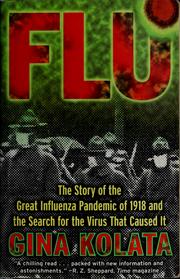 FluGina Bari KolataA chilling, high-stakes medical mystery that unearths the devastating history and lingering threat of the 1918 pandemic.
 Pale riderLaura SpinneyA sweeping, sobering journey through a forgotten global trauma that reshaped the modern world.
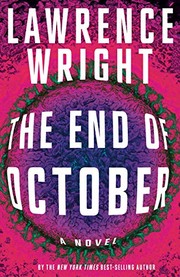 The End of OctoberLawrence WrightA dread-soaked medical thriller that races against time as a deadly virus unravels the modern world.
 Get well soonJennifer WrightA darkly hilarious and surprisingly uplifting romp through the most devastating plagues in human history.
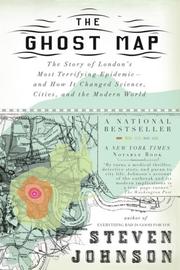 The Ghost MapSteven JohnsonA gripping, grimy descent into Victorian London that reads like a medical detective thriller where science races against a deadly, invisible clock.
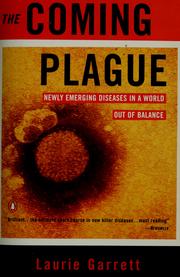 The coming plagueLaurie GarrettA meticulously researched, dread-inducing journey into the invisible wars between humanity and microbes that reads like a prophetic thriller.