Books › The Ghost Map

The Ghost Map
First published 2006 · 320 pages
A gripping, grimy descent into Victorian London that reads like a medical detective thriller where science races against a deadly, invisible clock.
What it feels like
Reading this feels like stepping into the fog-choked, foul-smelling streets of Victorian London alongside a brilliant detective, only the killer is microscopic and the stakes are the survival of the modern city. It blends the propulsive pacing of a thriller with the intellectual satisfaction of a paradigm-shifting scientific breakthrough. The mood is initially steeped in dread and visceral grime, immersing you in the terrifying chaos of an epidemic before slowly giving way to the thrilling clarity of reason and deduction. Johnson's prose is lucid and energetic, effortlessly weaving epidemiology, urban planning, and human drama into a cohesive, gripping narrative. It is a perfect fit for readers who devour narrative nonfiction that makes history feel urgent, visceral, and profoundly relevant.
- Mood
- grimy
- suspenseful
- atmospheric
- intellectually stimulating
- Tone
- analytical
- urgent
- inquisitive
- authoritative
- Pace
- brisk
- Themes
- triumph of reason · urban interconnectedness · paradigm shifts · invisible threats
- The writing
- Lucid, engaging, and highly accessible, blending vivid historical reconstruction with sharp sociological analysis.
- The arc
- Moves from a sense of overwhelming, chaotic dread to the satisfying clarity of scientific discovery and systemic change.
- Who it's for
- Readers who love narrative nonfiction that reads like a thriller, especially those fascinated by public health, urban history, and the mechanics of scientific breakthroughs.
Content notes
- graphic descriptions of illness
- child death
- sanitation and excrement details
- medical gore
About the book
A thrilling historical account of the worst cholera outbreak in Victorian London-and a brilliant exploration of how Dr. John Snow's solution revolutionized the way we think about disease, cities, science, and the modern world.From the dynamic thinker routinely compared to Malcolm Gladwell, E. O. Wilson, and James Gleick, The Ghost Map is a riveting page-turner with a real-life historical hero that brilliantly illuminates the intertwined histories of the spread of viruses, rise of cities, and the nature of scientific inquiry. These are topics that have long obsessed Steven Johnson, and The Ghost Map is a true triumph of the kind of multidisciplinary thinking for which he's become famous-a book that, like the work of Jared Diamond, presents both vivid history and a powerful and provocative explanation of what it means for the world we live in.The Ghost Map takes place in the summer of 1854. A devastating cholera outbreak seizes London just as it is emerging as a modern city: more than 2 million people packed into a ten-mile circumference, a hub of travel and commerce, teeming with people from all over the world, continually pushing the limits of infrastructure that's outdated as soon as it's updated. Dr. John Snow-whose ideas about contagion had been dismissed by the scientific community-is spurred to intense action when the people in his neighborhood begin dying. With enthralling suspense, Johnson chronicles Snow's day-by-day efforts, as he risks his own life to prove how the epidemic is being spread.When he creates the map that traces the pattern of outbreak back to its source, Dr. Snow didn't just solve the most pressing medical riddle of his time. He ultimately established a precedent for the way modern city-dwellers, city planners, physicians, and public officials think about the spread of disease and the development of the modern urban environment.The Ghost Map is an endlessly compelling and utterly gripping account of that London summer of 1854, from the microbial level to the macrourban-theory level-including, most important, the human level.
Description from Open Library.
Books like The Ghost Map
See why they match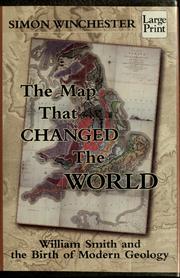 The map that changed the worldSimon WinchesterAn earthy, atmospheric journey into the mind of an underdog who looked at the dirt beneath his feet and saw the deep history of the world.
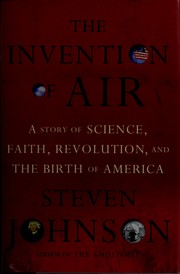 Invention of airSteven JohnsonA thrilling intellectual treasure hunt that connects the discovery of oxygen to the founding of a nation.
 Enemy of All MankindSteven JohnsonA thrilling historical heist that zooms out to reveal the hidden origins of the modern global economy.
 Pale riderLaura SpinneyA sweeping, sobering journey through a forgotten global trauma that reshaped the modern world.
 The Alchemy of AirThomas HagerA gripping, tragic narrative history about the brilliant minds who pulled bread from the air and inadvertently unleashed a century of unprecedented destruction.
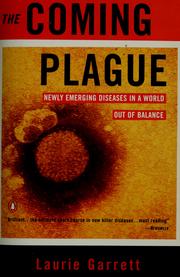 The coming plagueLaurie GarrettA meticulously researched, dread-inducing journey into the invisible wars between humanity and microbes that reads like a prophetic thriller.