Books › The Handmaid's Tale
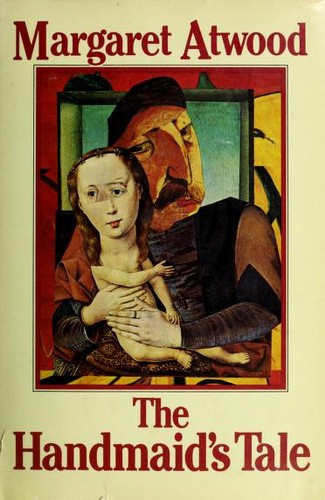
The Handmaid's Tale
576 pages
A chilling, intimate descent into an oppressive reality, told through the quiet whispers of a woman fighting to remember her own name.
What it feels like
Reading this novel feels like being trapped in a small, suffocating room where the walls are slowly closing in, yet the narrator's voice remains a lifeline of quiet, defiant humanity. The pacing is steady and deeply internal, drawing you not into a fast-paced rebellion, but into the psychological toll of absolute subjugation. Atwood's prose is lyrical and precise, weaving sharp sensory details of a sterile present with aching, fragmented memories of a lost past. The atmosphere is drenched in a quiet, pervasive dread that feels uncomfortably close to our own reality. It is a haunting, immersive experience that will deeply resonate with readers who gravitate toward character-driven dystopias, feminist literature, and stories of quiet, desperate endurance.
- Mood
- claustrophobic
- oppressive
- dread-soaked
- haunting
- Tone
- detached
- intimate
- chilling
- observant
- melancholic
- Pace
- steady
- Themes
- bodily autonomy · loss of agency · quiet resistance · the weight of memory · systemic oppression
- The writing
- Lyrical, precise, and deeply internal, weaving sharp sensory details with fragmented, aching memories.
- The arc
- Begins in a state of numb, disorienting survival and slowly builds toward a desperate, terrifyingly ambiguous grasp at freedom.
- Who it's for
- Readers who appreciate thought-provoking, character-driven dystopias that feel uncomfortably, chillingly close to reality.
Content notes
- sexual assault
- reproductive coercion
- misogyny
- state-sanctioned violence
- suicide
About the book
The Handmaid's Tale is a dystopian novel by Canadian author Margaret Atwood, published in 1985. It is set in a near-future New England, in a strongly patriarchal, totalitarian theonomic state, known as the Republic of Gilead, which has overthrown the United States government. The central character and narrator is a woman named Offred, one of the group known as "handmaids", who are forcibly assigned to produce children for the "commanders" — the ruling class of men in Gilead.
The novel explores themes of subjugated women in a patriarchal society, loss of female agency and individuality, and the various means by which they resist and attempt to gain individuality and independence.
The Handmaid's Tale won the 1985 Governor General's Award and the first Arthur C. Clarke Award in 1987; it was also nominated for the 1986 Nebula Award, the 1986 Booker Prize, and the 1987 Prometheus Award.
Description from Open Library.
Books like The Handmaid's Tale
See why they match The TestamentsMargaret AtwoodA tense, conspiratorial thriller that explores the corrosive nature of complicity and the thrilling mechanics of bringing down a regime from the inside.
 The Year of the FloodMargaret AtwoodA darkly funny, deeply unsettling plunge into a ruined world where survival depends on memory, friendship, and rooftop gardens.
 Into the ForestJean HeglandA quiet, deeply rooted apocalypse that strips away the modern world to reveal the raw, beating heart of sisterhood and survival.
 The Robber BrideDeborah SimmonsA razor-sharp, darkly funny exploration of female friendship, betrayal, and the magnetic pull of a truly unapologetic villainess.
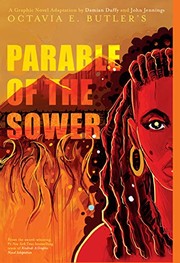 Parable of the SowerOctavia E. ButlerA harrowing, deeply empathetic journey through a collapsing world that plants the seeds of a radical new future.
 Nineteen Eighty-FourGeorge OrwellA claustrophobic descent into a world where even your own mind is no longer a safe haven.