Books › Nineteen Eighty-Four

Nineteen Eighty-Four
928 pages
A claustrophobic descent into a world where even your own mind is no longer a safe haven.
What it feels like
Reading this novel feels like being slowly crushed under a heavy, gray weight. The atmosphere is intensely claustrophobic and paranoid, wrapping you in a world where every glance is monitored and every thought is a potential crime. The prose is stark and utilitarian, stripping away warmth to reflect the bleak reality of its setting. It moves at a steady, inevitable pace, allowing a brief, fragile spark of hope and romance to bloom before methodically extinguishing it. This is not a book that offers comfort; rather, it is a chilling, dread-soaked experience that lingers long after the final page. It will captivate readers who are drawn to unflinching, philosophical explorations of power, truth, and the fragility of the human spirit.
- Mood
- oppressive
- dread-soaked
- claustrophobic
- paranoid
- chilling
- Tone
- bleak
- didactic
- cynical
- urgent
- unflinching
- Pace
- steady
- Themes
- the fragility of truth · loss of individuality · psychological manipulation · the mechanics of power · betrayal
- The writing
- Stark, utilitarian, and chillingly precise, mirroring the linguistic constraints of the world it describes.
- The arc
- Begins in a state of numb, paranoid survival, flickers briefly with the desperate hope of rebellion and connection, and descends into absolute, soul-crushing defeat.
- Who it's for
- Readers who appreciate dark, philosophical explorations of society and do not mind having their faith in humanity systematically dismantled.
Content notes
- torture
- psychological abuse
- betrayal
- state-sanctioned violence
- gaslighting
About the book
Nineteen Eighty-Four: A Novel, often referred to as 1984, is a dystopian social science fiction novel by the English novelist George Orwell (the pen name of Eric Arthur Blair). It was published on 8 June 1949 by Secker & Warburg as Orwell's ninth and final book completed in his lifetime. Thematically, Nineteen Eighty-Four centres on the consequences of totalitarianism, mass surveillance, and repressive regimentation of persons and behaviours within society. Orwell, himself a democratic socialist, modelled the authoritarian government in the novel after Stalinist Russia. More broadly, the novel examines the role of truth and facts within politics and the ways in which they are manipulated.
Description from Open Library.
Books like Nineteen Eighty-Four
See why they match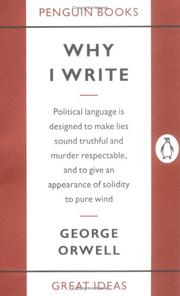 Why I WriteGeorge OrwellA masterclass in clarity that strips away the romanticism of the writing life to reveal the political and ego-driven engine beneath.
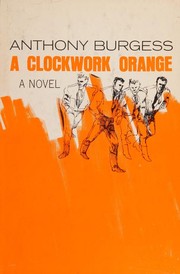 A Clockwork OrangeAnthony BurgessA linguistically dazzling, hyper-violent descent into a dystopian nightmare that forces you to question the price of free will.
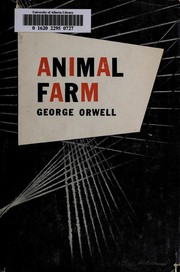 Animal FarmGeorge OrwellA deceptively simple fable that watches the bright dawn of revolution slowly darken into the nightmare of totalitarianism.
 Stand on ZanzibarJohn BrunnerA kaleidoscopic, fragmented plunge into an overpopulated, media-saturated future that feels uncomfortably close to our present.
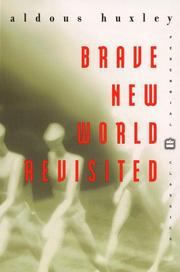 Brave New World RevisitedAldous HuxleyA chilling, erudite reality check that measures our modern comforts against the yardstick of dystopian prophecy.
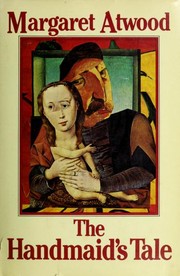 The Handmaid's TaleMargaret AtwoodA chilling, intimate descent into an oppressive reality, told through the quiet whispers of a woman fighting to remember her own name.