Books › The house by the church-yard

The house by the church-yard
First published 1863 · 807 pages
A sprawling, darkly atmospheric Victorian mystery where quaint village gossip slowly gives way to chilling, long-buried secrets.
What it feels like
Reading this Victorian classic feels like settling into a comfortable armchair by a dying fire while a storm rages outside. The narrative takes its time, meandering through the eccentricities, romances, and petty rivalries of an eighteenth-century Irish village with a wry, almost Dickensian charm. But beneath the cozy surface of tea parties and military gossip lies a creeping, dread-soaked foundation of murder and hidden identities. The prose is richly textured and delightfully digressive, demanding patience as it slowly weaves its disparate threads into a tight, suspenseful knot. It is a perfect match for readers who savor slow-burn gothic mysteries, where the shadows lengthen imperceptibly until the chilling, long-buried truths are finally dragged into the cold light of day.
- Mood
- gloomy
- cozy-yet-sinister
- dread-soaked
- autumnal
- Tone
- wry
- atmospheric
- suspenseful
- nostalgic
- Pace
- meandering
- Themes
- buried secrets · inescapability of the past · village gossip · hidden identities · mortality
- The writing
- Richly descriptive and delightfully digressive, steeped in Victorian gothic atmosphere and a distinct Irish cadence.
- The arc
- Starts as a sprawling, wryly observed portrait of village life before slowly tightening into a chilling tale of murder and retribution.
- Who it's for
- Readers who love sprawling Victorian mysteries that balance quaint village comedy with creeping, supernatural-tinged dread.
Content notes
- murder
- violence
- exhumation
- suicide
About the book
Sheridan Le Fanu's historical mystery novel The House by the Churchyard was written in 1863. A skull unearthed in a churchyard show signs of violent blows to the head and, even more disturbingly, the small hole caused by trepanning. One hundred years before, a coffin is buried secretly, "R.D." the only identification on its brass plague. The House by the Churchyard was a major source of inspiration for James Joyce's Finnegans Wake.
Description from Open Library.
Books like The house by the church-yard
See why they match In a glass darklyJoseph Sheridan Le FanuA masterclass in creeping Victorian dread where the line between supernatural haunting and psychological collapse is terrifyingly blurred.
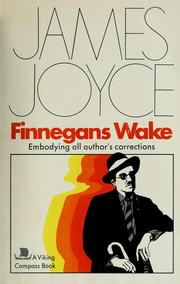 Finnegans WakeJames JoyceA kaleidoscopic plunge into the subconscious, built from a dizzying, multilingual dream-language that defies all literary conventions.
 The Purcell PapersJoseph Le FanuA collection of shadow-steeped Irish gothic tales where the past refuses to stay buried.
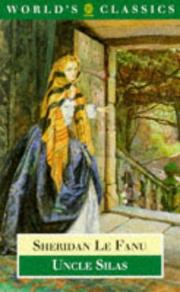 Uncle SilasJoseph Le FanuA masterclass in creeping Victorian dread where every shadow hides a secret and trust is a fatal mistake.
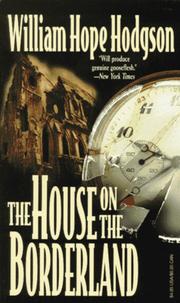 The House on the BorderlandWilliam Hope HodgsonA hallucinatory descent into cosmic dread where time, space, and sanity unravel within the walls of an isolated ruin.
 The Third PolicemanFlann O'BrienA darkly hilarious, bicycle-obsessed descent into a bureaucratic purgatory where logic eats itself.