Books › In a glass darkly

In a glass darkly
First published 1872 · 664 pages
A masterclass in creeping Victorian dread where the line between supernatural haunting and psychological collapse is terrifyingly blurred.
What it feels like
Reading this collection feels like sitting in a dimly lit, velvet-draped parlor while a storm rages outside, listening to a brilliant but unnerving doctor recount his most disturbing cases. The experience is defined by a slow, creeping dread rather than sudden shocks, drawing you into a shadowy world where rational science constantly fractures under the weight of the occult. The prose is elegant and measured, using its Victorian formality to mask a deeply unsettling exploration of repressed desires, guilt, and the fragility of the human mind. It is a deeply atmospheric, claustrophobic journey that delights readers who love their horror steeped in psychological ambiguity, where the true monster might just be the inescapable darkness lurking within the victim's own psyche.
- Mood
- dread-soaked
- claustrophobic
- shadowy
- eerie
- Tone
- foreboding
- clinical
- melancholic
- earnest
- Pace
- leisurely
- Themes
- fragility of sanity · intrusion of the past · repressed desires · limits of rational science
- The writing
- Elegant, measured, and deliberately paced, the Victorian formality serves to heighten the creeping sense of wrongness.
- The arc
- The journey begins with detached, clinical curiosity before slowly sinking into a suffocating, inescapable psychological terror.
- Who it's for
- Readers who savor slow-burn, atmospheric gothic horror and prefer their supernatural chills laced with psychological ambiguity.
Content notes
- psychological torment
- suicide
- premature burial
- demonic harassment
About the book
In a Glass Darkly collects together five short stories from gothic horror and mystery writer Sheridan Le Fanu. The book, published in 1872 a year before Le Fanu's death, is named from a passage in Corinthians which speaks of humankind perceiving the world "through a glass darkly." The stories are told from the posthumous writings of an occult detective named Dr Martin Hesselius. In Green Tea a clergyman is being driven mad by an evil demon that takes the ephemeral form of a monkey, but is unseen by others as it burdens the victim's mind with psychological torment. In The Familiar, revised from Le Fanu's The Watcher of 1851, a sea captain is stalked by a dwarf, "The Watcher." Is this strange character from captain's past? In Mr Justice Harbottle a merciless court judge is attacked by vengeful spirits, dreaming he is sentenced to death by a horrific version of himself. The story was revised from 1853's An Account of Some Strange Disturbances in Aungier Street. In The Room in the Dragon Volant, a notable mystery which includes a premature burial theme, an innocent young Englishman in France tries to rescue a mysterious countess from her unbearable situation. Lastly, Carmilla tells the tale of a lesbian vampire. It was a huge influence on Bram Stoker's writing of Dracula and the basis for the films Vampyr in 1932 and The Vampire Lovers in 1970.
Description from Open Library.
Books like In a glass darkly
See why they match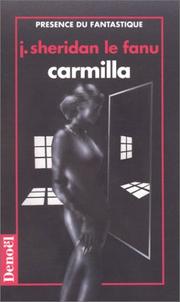 CarmillaSheridan Le FanuA fever dream of velvet shadows, creeping dread, and dangerous, intoxicating desire.
 The house by the church-yardFanu, J. Sheridan LeA sprawling, darkly atmospheric Victorian mystery where quaint village gossip slowly gives way to chilling, long-buried secrets.
 The VampyreJohn William PolidoriA chilling descent into high-society darkness where aristocratic charm masks a predatory, inescapable evil.
 Uncle SilasJoseph Le FanuA masterclass in creeping Victorian dread where every shadow hides a secret and trust is a fatal mistake.
 The Purcell PapersJoseph Le FanuA collection of shadow-steeped Irish gothic tales where the past refuses to stay buried.
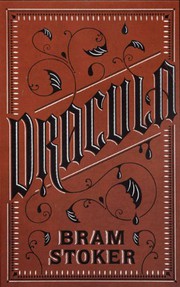 DraculaBram StokerA creeping, epistolary descent into gothic dread where modern rationality battles an ancient, seductive evil.