Books › The House of the Dead

The House of the Dead
First published 1886 · 512 pages
A stark, deeply psychological descent into the abyss of exile that ultimately uncovers the unyielding resilience of the human spirit.
What it feels like
Reading this book feels like sitting in a freezing, dimly lit barracks, listening to a quiet voice recount the darkest corners of human nature. The pace is meandering, structured less by plot than by the slow, grinding passage of time in exile. It is a heavy, oppressive atmosphere, soaked in the grim reality of forced labor and confinement, yet it is never entirely devoid of hope. The prose is starkly observational, blending journalistic detachment with profound psychological insight into the minds of the condemned. It is a deeply reflective experience that will captivate readers who are drawn to philosophical explorations of suffering, the complexities of morality, and the stubborn, miraculous endurance of the human soul in the face of absolute despair.
- Mood
- oppressive
- claustrophobic
- grim
- contemplative
- Tone
- observational
- philosophical
- empathetic
- reflective
- stark
- Pace
- meandering
- Themes
- psychology of captivity · human endurance · class divides · meaning in suffering · arbitrary justice
- The writing
- Starkly observational and journalistic, yet layered with deep psychological introspection.
- The arc
- Moves from overwhelming shock at the brutality of confinement to a profound, hard-won understanding of shared humanity.
- Who it's for
- Readers who appreciate deep psychological character studies and philosophical explorations of human suffering.
Content notes
- confinement
- corporal punishment
- psychological distress
- violence
- class prejudice
About the book
The House of the Dead (Russian: Записки из Мёртвого дома, Zapiski iz Myortvovo doma) is a semi-autobiographical novel published in 1860–2 in the journal Vremya by Russian author Fyodor Dostoevsky, which portrays the life of convicts in a Siberian prison camp. The novel has also been published under the titles Memoirs from the House of The Dead, Notes from the Dead House (or Notes from a Dead House), and Notes from the House of the Dead. The book is, essentially, a disguised memoir; a loosely-knit collection of facts, events and philosophical discussion organised by "theme" rather than as a continuous story. Dostoevsky himself spent four years in exile in such a prison following his conviction for involvement in the Petrashevsky Circle. This experience allowed him to describe with great authenticity the conditions of prison life and the characters of the convicts.
Description from Open Library.
Books like The House of the Dead
See why they match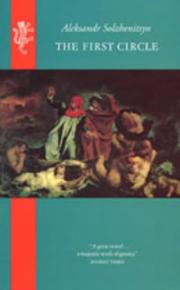 The First CircleSolzhenitsyn, AleksandrA tense, claustrophobic exploration of intellectual survival within the confines of a state-run prison laboratory.
 DostoevskyDostoevsky, Fyodor MikhailovichStep into the quiet, archival space of a literary giant's private life through his own letters and his wife's tender memories.
 The RoadJack LondonA gritty, restless ride on the underbelly of late 19th-century America, fueled by the raw thrill of survival and the open railway.
 The IdiotFyodor DostoyevskyAn authentic, original-language encounter with the work of a towering figure in classic literature.
 VoskresenīeTolstoy, LeoA sweeping, morally urgent epic that wrestles with the crushing weight of systemic injustice and the arduous path to personal redemption.
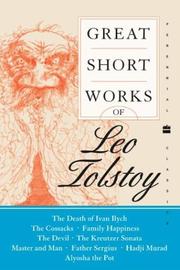 Great short works of Leo TolstoyLeo TolstoyA piercing, unsparing gaze into the depths of the human soul, stripping away societal illusions to confront the raw realities of life and death.