Books › The Humane Interface
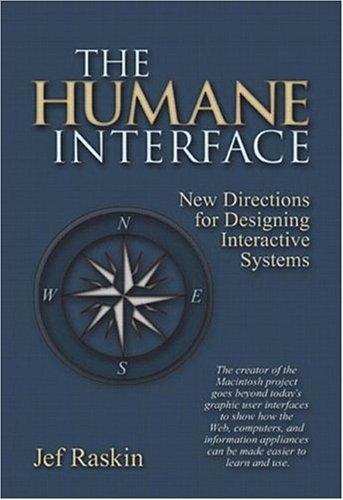
The Humane Interface
256 pages
A visionary masterclass in rethinking how humans and machines converse, stripping away bad habits to reveal elegant design truths.
What it feels like
Reading this book feels like sitting down with a brilliant, slightly curmudgeonly mentor who is determined to break you of your worst design habits. It is a deeply intellectual and structured experience, moving at a steady, methodical pace as it dismantles the accepted dogmas of user interfaces. The atmosphere is one of rigorous contemplation, blending cognitive psychology with practical engineering to challenge the very foundations of how we interact with screens. The prose is authoritative and precise, cutting through industry jargon to advocate for a profoundly empathetic approach to technology. It will delight UX designers, product managers, and anyone who has ever felt frustrated by a digital tool, offering a visionary blueprint for a more seamless, human-centric digital world.
- Mood
- intellectual
- structured
- contemplative
- forward-looking
- Tone
- opinionated
- analytical
- visionary
- pragmatic
- authoritative
- Pace
- steady
- Themes
- human-centric design · challenging the status quo · cognitive friction · technological empathy · the philosophy of tools
- The writing
- Clear, precise, and unapologetically direct, blending the rigor of cognitive science with the practical wisdom of a seasoned engineer.
- The arc
- Moves from a shared frustration with clunky technological paradigms to an inspiring, empowering vision of seamless human-machine harmony.
- Who it's for
- UX designers, software developers, and tech philosophers who are tired of broken interfaces and want to build tools that actually respect human attention.
About the book
This unique guide to interactive system design reflects the experience and vision of Jef Raskin, the creator of the Apple Macintosh. Other books may show how to use today's widgets and interface ideas effectively. Raskin, however, demonstrates that many current interface paradigms are dead ends, and that to make computers significantly easier to use requires new approaches. He explains how to effect desperately needed changes, offering a wealth of innovative and specific interface ideas for software designers, developers, and product managers.
Description from Open Library.
Books like The Humane Interface
See why they match Designing the user interfaceBen Shneiderman and Catherine PlaisantAn authoritative, structured deep-dive into the principles of making technology comprehensible and satisfying for human users.
 Designing interfacesJenifer TidwellA pragmatic, pattern-driven masterclass in making complex digital spaces feel intuitive and human.
 Usability Engineering (Interactive Technologies)Jakob NielsenA pragmatic, user-focused guide that challenges developers to look beyond the code and see the human at the screen.
 Sketching User ExperiencesBill BuxtonAn engaging, holistic exploration of how early ideation and sketching can shape the future of human-computer interaction.
 Revolution in the valleyAndy HertzfeldAn energetic, insider's look at the eccentric brilliance and creative chaos that birthed the personal computer.
 The Design of Future ThingsDon NormanA fascinating, consumer-oriented exploration of how we interact with the increasingly intelligent machines that populate our daily lives.