Books › The Hundred Years' War on Palestine
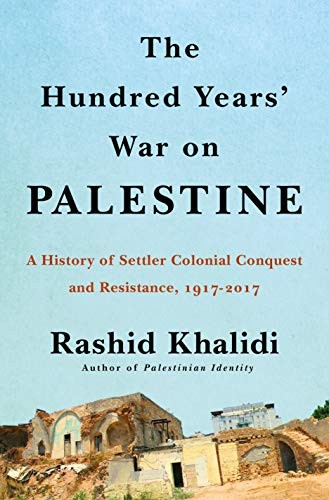
The Hundred Years' War on Palestine
400 pages
A sobering, meticulously researched blend of personal memoir and sweeping history that reframes a century of conflict through the lens of the displaced.
What it feels like
Reading this book feels like sitting with a brilliant, deeply weary but resolute historian who is opening his family's private archives to explain a century of public tragedy. The pace is steady and methodical, demanding your full attention as it dismantles long-held narratives with surgical precision. It is a heavy, somber experience, steeped in the grief of displacement and the frustration of systemic erasure, yet it never tips into mere despair. Instead, the mood is charged with an urgent, quiet dignity. The prose is lucid and authoritative, seamlessly blending rigorous academic research with poignant, lived family history. It is an essential, paradigm-shifting read for anyone willing to confront the uncomfortable, deeply human realities behind geopolitical headlines.
- Mood
- somber
- reflective
- urgent
- heavy
- Tone
- authoritative
- impassioned
- scholarly
- sobering
- personal
- Pace
- steady
- Themes
- colonialism and displacement · intergenerational memory · the weight of history · systemic erasure · resilience
- The writing
- Lucid and meticulously researched, the writing seamlessly weaves rigorous historical analysis with poignant family archives.
- The arc
- The journey moves from a sense of impending historical tragedy through decades of systemic loss, culminating in a clear-eyed, resolute demand for truth.
- Who it's for
- Readers seeking a comprehensive, historically grounded, and deeply humanizing perspective on the Palestinian experience will find this essential.
Content notes
- war and conflict
- systemic oppression
- displacement and refugee trauma
- state violence
- colonialism
About the book
A landmark history of one hundred years of war waged against the Palestinians from the foremost US historian of the Middle East, told through pivotal events and family history
In 1899, Yusuf Diya al-Khalidi, mayor of Jerusalem, alarmed by the Zionist call to create a Jewish national home in Palestine, wrote a letter aimed at Theodore Herzl: the country had an indigenous people who would not easily accept their own displacement. He warned of the perils ahead, ending his note, “in the name of God, let Palestine be left alone.” Thus Rashid Khalidi, al-Khalidi’s great-great-nephew, begins this sweeping history, the first general account of the conflict told from an explicitly Palestinian perspective.
Drawing on a wealth of untapped archival materials and the reports of generations of family members—mayors, judges, scholars, diplomats, and journalists—The Hundred Years' War on Palestine upends accepted interpretations of the conflict, which tend, at best, to describe a tragic clash between two peoples with claims to the same territory. Instead, Khalidi traces a hundred years of colonial war on the Palestinians, waged first by the Zionist movement and then Israel, but backed by Britain and the United States, the great powers of the age. He highlights the key episodes in this colonial campaign, from the 1917 Balfour Declaration to the destruction of Palestine in 1948, from Israel’s 1982 invasion of Lebanon to the endless and futile peace process.
Original, authoritative, and important, The Hundred Years' War on Palestine is not a chronicle of victimization, nor does it whitewash the mistakes of Palestinian leaders or deny the emergence of national movements on both sides. In reevaluating the forces arrayed against the Palestinians, it offers an illuminating new view of a conflict that continues to this day.
Description from Open Library.
Books like The Hundred Years' War on Palestine
See why they match Six Days of WarMichael B. OrenA gripping, minute-by-minute plunge into a geopolitical powder keg that reads with the breathless urgency of a political thriller.
 The Great War for CivilisationRobert FiskA monumental, fiercely passionate chronicle of conflict that plunges you into the devastating human realities of modern history.
 Against the Loveless WorldSusan AbulhawaA fierce, unflinching portrait of a woman claiming her own agency and capacity for love amidst the brutal machinery of displacement and occupation.
 On PalestineNoam ChomskyAn urgent, uncompromising dialogue that strips away political euphemisms to confront the harsh realities of systemic oppression and the necessity of global solidarity.
 My Promised LandAri ShavitA sweeping, deeply conflicted personal and historical reckoning with the triumphs and tragedies of a nation's soul.
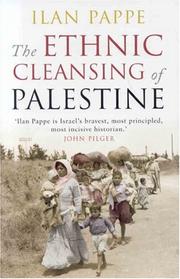 The Ethnic Cleansing of PalestineIlan PappéA devastating, meticulously documented historical reckoning that demands the reader confront the uncomfortable realities of systemic erasure.