Books › The hurried child

The hurried child
First published 1981 · 244 pages
A compassionate, eye-opening plea to let kids be kids in a world that demands they grow up too fast.
What it feels like
Reading this book feels like sitting down with a wise, deeply observant mentor who gently but firmly points out the invisible pressures we place on our children. The pace is steady and deliberate, guiding the reader through a sobering landscape of modern childhood—from media saturation to academic hyper-competitiveness. Yet, despite the heavy subject matter, the mood never tips into despair; instead, it remains grounded in a profound, protective compassion. The prose is clear and accessible, translating developmental psychology into urgent, everyday truths. It is a deeply validating read for parents and educators who feel uneasy about the relentless pace of modern life, offering them both the permission and the tools to reclaim the slow, joyful unfolding of childhood.
- Mood
- reflective
- sobering
- concerned
- hopeful
- Tone
- authoritative
- compassionate
- urgent
- cautionary
- earnest
- Pace
- steady
- Themes
- the loss of innocence · societal pressure · protecting childhood · developmental boundaries · parental anxiety
- The writing
- Clear, accessible, and academically grounded without being overly dense, blending sociological observation with empathetic advice.
- The arc
- Moves from a sobering diagnosis of societal pressures to an empowering, hopeful call for protecting childhood.
- Who it's for
- Parents, educators, and child psychologists looking for a thoughtful, research-backed perspective on the modern pressures facing children.
Content notes
- discussions of child stress
- mentions of school violence
- mental health struggles
About the book
"Dr. Elkind has shown that in blurring the boundaries of what is age appropriate, by expecting - or imposing - too much too soon, we force our kids to grow up too fast, to mimic adult sophistication while secretly yearning for innocence.".
"In the two decades since this book first appeared, we have compounded the problem, inadvertently stepping up the assault on childhood in the media, in schools, and at home. Taking a detailed, up-to-the-minute look at the Internet, classroom culture, school violence, movies, television, and a growing societal incivility, Dr. Elkind here shows us where hurrying occurs today and why.
And as before, he offers parents and teachers alike insights, advice, and hope for encouraging healthy development while protecting the joy and freedom of childhood."--BOOK JACKET.
Description from Open Library.
Books like The hurried child
See why they match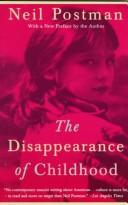 The disappearance of childhoodNeil PostmanA sharp, elegiac cultural critique that makes you look at screens, society, and the concept of youth through an entirely new, slightly unsettling lens.
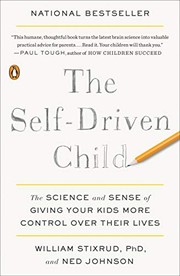 The Self-Driven ChildWilliam Stixrud PhD and Ned JohnsonA reassuring, science-backed guide to stepping back and letting children take the wheel of their own lives.
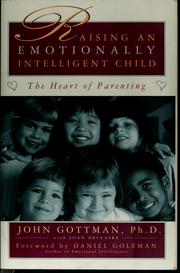 Raising an emotionally intelligent childJohn Mordechai GottmanA compassionate, research-backed roadmap for turning emotional meltdowns into moments of profound connection.
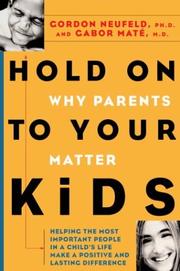 Hold on to your kidsGordon NeufeldA paradigm-shifting exploration of childhood attachment that challenges modern parenting norms and offers a compassionate roadmap back to your child's heart.
 Emotional development and emotional intelligencePeter SaloveyA rigorous yet deeply practical exploration of how we can teach children to understand and harness their own feelings.
 The boy who was raised as a dogBruce Duncan Perry and Maia SzalavitzA compassionate, eye-opening exploration of how extreme trauma shapes the developing brain and the innovative therapies that offer a path to healing.