Books › The Immortal Life of Henrietta Lacks

The Immortal Life of Henrietta Lacks
First published 2009 · 619 pages
A gripping, deeply humanizing investigation into the collision of scientific miracle and profound exploitation.
What it feels like
Reading this book feels like stepping into a dual timeline where the sterile, fast-paced world of scientific breakthrough collides with the intimate, generational trauma of a forgotten family. The pacing is brisk and propulsive, reading more like a gripping detective story than a medical history. You are guided by an empathetic, investigative voice that refuses to look away from the uncomfortable intersections of race, class, and bioethics. The mood shifts between the awe of biological discovery and a haunting, heavy sorrow for the human cost behind it. It is a profoundly illuminating experience that will captivate readers who love narrative nonfiction that restores humanity to the footnotes of history, leaving you forever changed in how you view the foundations of modern medicine.
- Mood
- haunting
- poignant
- illuminating
- reflective
- Tone
- empathetic
- investigative
- urgent
- compassionate
- Pace
- brisk
- Themes
- medical ethics and exploitation · racial injustice · family legacy and grief · bodily autonomy · the human cost of progress
- The writing
- Journalistic and highly accessible, seamlessly weaving dense scientific concepts into an intimate, character-driven narrative.
- The arc
- Begins with scientific curiosity before plunging into deep indignation and sorrow, ultimately arriving at a bittersweet, complex sense of restorative justice and enduring legacy.
- Who it's for
- Readers who crave narrative nonfiction that unearths hidden histories, blending rigorous science writing with profound human empathy.
Content notes
- medical trauma
- racism
- terminal illness
- institutional abuse
- poverty
- death of a parent
About the book
Her name was Henrietta Lacks, but scientists know her as HeLa. She was a poor black tobacco farmer whose cells—taken without her knowledge in 1951—became one of the most important tools in medicine, vital for developing the polio vaccine, cloning, gene mapping, in vitro fertilization, and more. Henrietta’s cells have been bought and sold by the billions, yet she remains virtually unknown, and her family can’t afford health insurance.
This takes readers on an extraordinary journey, from the “colored” ward of Johns Hopkins Hospital in the 1950s to stark white laboratories with freezers filled with HeLa cells, from Henrietta’s small, dying hometown of Clover, Virginia, to East Baltimore today, where her children and grandchildren live and struggle with the legacy of her cells. The Immortal Life of Henrietta Lacks tells a riveting story of the collision between ethics, race, and medicine; of scientific discovery and faith healing; and of a daughter consumed with questions about the mother she never knew. It’s a story inextricably connected to the dark history of experimentation on African Americans, the birth of bioethics, and the legal battles over whether we control the stuff we’re made of.
Description from Open Library.
Books like The Immortal Life of Henrietta Lacks
See why they match Medical apartheidHarriet A. WashingtonAn unflinching, meticulously documented excavation of the medical establishment's darkest historical betrayals and their lingering modern scars.
 Between Two KingdomsSuleika JaouadA raw, beautifully observed journey through the wilderness of illness and the equally daunting landscape of survival.
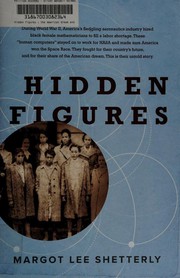 Hidden FiguresMargot Lee ShetterlyAn inspiring, intellectually thrilling journey alongside the brilliant minds who defied gravity and systemic prejudice to change the course of history.
 The Cooking GeneMichael W. TwittyA deeply sensory and intellectual excavation of Southern food that reclaims the stolen history of African American culinary genius.
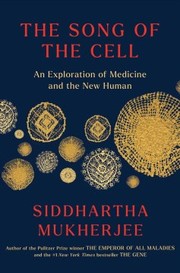 The Song of the CellSiddhartha MukherjeeA lyrical, awe-inspiring journey into the microscopic universes that build, sustain, and sometimes betray the human body.
 How to Be an AntiracistIbram X. KendiA deeply personal and intellectually rigorous invitation to unlearn systemic biases and actively build a more equitable world.