Books › The Iron Heel

The Iron Heel
580 pages
A fiery, prophetic vision of a capitalist dystopia that reads like a warning echoing from the future.
What it feels like
Reading this foundational dystopia feels like unearthing a forbidden historical document from a dark, alternate timeline. The narrative unfolds at a steady, deliberate pace, heavily front-loaded with impassioned political debates that gradually give way to stark, visceral depictions of societal collapse. The mood is overwhelmingly oppressive and dread-soaked, capturing the suffocating weight of an unstoppable oligarchy. Its prose is rhetorical and earnest, prioritizing fiery ideological treatises over subtle character work, making it read more like a prophetic manifesto than a traditional novel. It will deeply satisfy readers who are fascinated by the roots of dystopian literature and those who appreciate a narrative that wrestles fiercely with class struggle, systemic cruelty, and the brutal cost of revolution.
- Mood
- oppressive
- dread-soaked
- grim
- revolutionary
- Tone
- didactic
- impassioned
- prophetic
- earnest
- Pace
- steady
- Themes
- class struggle · crushing weight of oligarchy · ideological martyrdom · fragility of democracy
- The writing
- Rhetorical and journalistic, blending heavy political treatises with stark, visceral accounts of societal collapse.
- The arc
- Begins with fiery intellectual awakening and descends into the grim, brutal reality of a crushed rebellion.
- Who it's for
- Readers who love foundational dystopian fiction and don't mind their narratives steeped in heavy, passionate political philosophy.
Content notes
- political violence
- mass casualties
- oppression
- class-based cruelty
About the book
Generally considered to be "the earliest of the modern Dystopian," it chronicles the rise of an oligarchic tyranny in the United States. It is arguably the novel in which Jack London's socialist views are most explicitly on display. A forerunner of soft science fiction novels and stories of the 1960s and 1970s, the book stresses future changes in society and politics while paying much less attention to technological changes.
Description from Open Library.
Books like The Iron Heel
See why they match The Scarlet PlagueJack LondonA haunting, campfire-told elegy for a fallen civilization that exposes the thin veneer of human progress.
 A Modern UtopiaH. G. WellsA cerebral journey through a meticulously engineered society that asks what humanity must sacrifice to achieve absolute perfection.
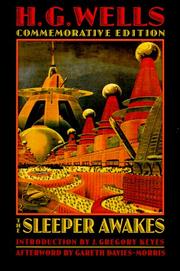 When the Sleeper AwakesH. G. WellsA dizzying plunge into a mechanized, hyper-capitalist future where technological marvels mask a chillingly oppressive society.
 The millenniumUpton SinclairA farcical, retro-futuristic romp through the end of the world that skewers capitalism before landing on a hopeful utopian vision.
 Burning DaylightJack LondonA muscular, frost-bitten epic that trades the brutal honesty of the frozen wild for the cutthroat deception of high society, before finding peace in the dirt.
 EcotopiaErnest CallenbachA fascinating, immersive thought experiment that invites you to imagine a radically sustainable and deeply human alternative to modern society.