Books › The Jungle

The Jungle
816 pages
A visceral, relentless descent into the grinding machinery of industrial exploitation that shatters the illusion of the American Dream.
What it feels like
Reading this novel feels like being slowly crushed by the gears of an uncaring machine. It is a heavy, visceral experience, steeped in the grime and blood of the stockyards, where the atmosphere is thick with the stench of desperation and rotting meat. The prose is unflinching and journalistic, prioritizing raw, sensory impact over lyrical beauty as it documents a relentless cascade of tragedies. There is no escapism here; instead, the narrative offers a steady, claustrophobic descent into the darkest realities of unchecked capitalism. It will deeply resonate with readers who appreciate hard-hitting social realism and historical fiction that burns with righteous indignation, leaving a lingering sense of outrage and a profound empathy for the exploited.
- Mood
- oppressive
- grimy
- despairing
- claustrophobic
- visceral
- Tone
- earnest
- polemical
- indignant
- journalistic
- bleak
- Pace
- steady
- Themes
- crushing weight of capitalism · illusion of the American Dream · systemic exploitation · loss of innocence · commodification of human life
- The writing
- Unflinching, heavily descriptive, and journalistic, prioritizing visceral impact and moral outrage over lyrical beauty.
- The arc
- Begins with hopeful determination that is systematically ground down into absolute despair, before pivoting to a sudden, ideological awakening.
- Who it's for
- Readers who appreciate hard-hitting social realism, historical exposes, and narratives that confront the darkest corners of industrial history.
Content notes
- animal cruelty
- graphic violence
- workplace accidents
- child death
- sexual assault
- extreme poverty
- starvation
About the book
Upton Sinclair's dramatic and deeply moving story exposed the brutal conditions in the Chicago stockyards at the turn of the nineteenth century and brought into sharp moral focus the appalling odds against which immigrants and other working people struggled for their share of the American dream. Denounced by the conservative press as an un-American libel on the meatpacking industry, the book was championed by more progressive thinkers, including then President Theodore Roosevelt, and was a major catalyst to the passing of the Pure Food and Meat Inspection act, which has tremendous impact to this day.
Description from Open Library.
Books like The Jungle
See why they match Oil!Upton SinclairA sprawling, sun-baked epic of American capitalism that pits a son's awakening conscience against his father's relentless ambition.
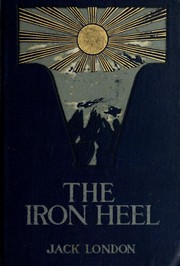 The Iron HeelJack LondonA fiery, prophetic vision of a capitalist dystopia that reads like a warning echoing from the future.
 An American TragedyTheodore DreiserA slow-motion tragedy of ambition and moral cowardice that dissects the darkest, most desperate corners of the American Dream.
 The millenniumUpton SinclairA farcical, retro-futuristic romp through the end of the world that skewers capitalism before landing on a hopeful utopian vision.
 Fast Food NationEric SchlosserA gripping, stomach-churning journey behind the counter of America's most ubiquitous industry.
 Sister CarrieTheodore DreiserA sweeping, unsentimental portrait of ambition and moral compromise in the bustling, unforgiving cities of the Gilded Age.