Books › The Last Samurai

The Last Samurai
First published 2000 · 576 pages
A fiercely intelligent, linguistically acrobatic exploration of genius, single motherhood, and the search for a hero.
What it feels like
Reading this book feels like stepping into the mind of a frantic, brilliant polymath. It is a wildly inventive, linguistically acrobatic experience that moves at a brisk, obsessive pace, bombarding the reader with Greek grammar, Japanese cinema, and mathematical puzzles. Yet beneath its dazzling, experimental surface lies a deeply tender and exasperated core. The mood is both cerebral and deeply human, capturing the exhausting reality of raising a child prodigy on the brink of poverty. The prose is a chaotic, exhilarating collage of lists, dialogue, and foreign alphabets that somehow remains incredibly accessible and funny. It will utterly delight readers who crave fiercely intelligent, structurally daring fiction that ultimately delivers a profound, emotionally resonant meditation on love, heroism, and the beautiful imperfections of the people we choose as family.
- Mood
- frenetic
- cerebral
- melancholic
- immersive
- Tone
- wry
- erudite
- obsessive
- tender
- exasperated
- Pace
- brisk
- Themes
- the burden of genius · search for a father figure · maternal devotion and exhaustion · the quest for heroism · the limits of intellect
- The writing
- A wildly inventive, exhilarating collage of lists, foreign alphabets, and sharp dialogue that remains surprisingly accessible and witty.
- The arc
- Moves from a frantic, isolated intellectual obsession to a grounded, tender understanding of imperfect human connection.
- Who it's for
- Readers who love fiercely intelligent, structurally daring fiction that balances dazzling erudition with profound emotional warmth.
Content notes
- depression
- suicidal ideation
- financial stress
- absentee parenting
About the book
"Ludo, age six, is a prodigy. His mother, Sibylla, raises him alone and tries hard to keep his voracious intellect satisfied, while she struggles to make ends meet. With her exasperated guidance, he teaches himself Greek, so that he can read The Odyssey, before moving on to study Hebrew, Arabic, Inuit, and Japanese. And both Sibylla and Ludo share a passion for Kurosawa's Seven Samurai, which they watch repeatedly, absorbing its lessons of samurai virtue.
Soon Ludo embarks on a quest to find his father, and approaches seven men to test their mettle. Each of them - prominent, powerful, or flawed in his own way - has to rise to a unique challenge.".
"The Last Samurai is full of stories of remarkable exploits, snatches of Greek poetry, passages of Icelandic legend, and ingenious math problems. But it also has a rare emotional depth, as Ludo's search for a father, or even a man heroic enough to be his father, gradually reveals a new and unexpected dimension of love. And at the book's heart is the relationship between mother and son, which is moving and memorable in its fusion of solidarity, frustration, and tenderness."--BOOK JACKET.
Description from Open Library.
Books like The Last Samurai
See why they match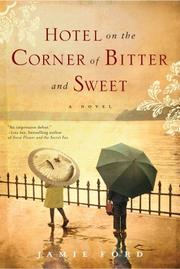 Hotel on the corner of bitter and sweetJamie FordA tender, atmospheric journey through the echoes of a fractured childhood bond and the enduring power of memory to heal old wounds.
 Heart of a samuraiMargi PreusA sweeping maritime adventure of survival, culture shock, and the expansive wonder of stepping into an entirely new world.
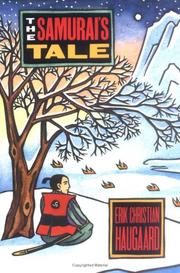 The samurai's taleErik Christian HaugaardA quiet, atmospheric journey of a boy forging his own honor and identity from the ashes of his stolen childhood.
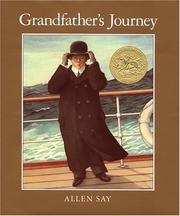 Grandfather's journeyAllen SayA quiet, beautifully illustrated meditation on the bittersweet reality of leaving one home to find another, only to forever miss the first.
 The last time I saw motherArlene J. ChaiA polyphonic and deeply intimate unearthing of the secrets that bind mothers and daughters across generations and wars.
 One Day at a TimeDanielle SteelA glamorous, heartwarming family drama about unexpected romance and the messy, beautiful reality of modern family life.