Books › The last time I saw mother

The last time I saw mother
First published 1995 · 471 pages
A polyphonic and deeply intimate unearthing of the secrets that bind mothers and daughters across generations and wars.
What it feels like
Reading this novel feels like sitting in a quiet room while the women of a family finally speak the truths they have held back for decades. The pace is steady and deliberate, driven not by action but by the psychological weight of confession and memory. As the narrative shifts between different voices, the mood remains deeply intimate yet shadowed by the haunting legacy of wartime trauma and civilian deprivation in the Philippines. It is a poignant, reflective experience that immerses the reader in the complexities of cultural identity and the primal bonds between mothers and daughters. This book will deeply satisfy readers who gravitate toward historical fiction where personal secrets intersect with the sweeping, devastating forces of history, ultimately offering a profound sense of healing.
- Mood
- haunting
- melancholic
- intimate
- healing
- Tone
- earnest
- reflective
- poignant
- confessional
- Pace
- steady
- Themes
- intergenerational secrets · mother-daughter bonds · cultural identity · wartime trauma · the weight of unspoken history
- The writing
- Intimate and polyphonic, weaving multiple distinct voices into a cohesive tapestry of memory and history.
- The arc
- Moves from the shock of a sudden revelation through the heavy sorrow of wartime memories toward the healing clarity of reclaimed identity.
- Who it's for
- Readers who appreciate deeply psychological, multi-generational family sagas that explore the intersection of personal secrets and historical trauma.
Content notes
- wartime trauma
- civilian deprivation
- family secrets
About the book
Between generations of women, there are always secrets - relationships kept hidden, past events obscured, true feelings not spoken. But sometimes the truth is so primal it must be told. At the center of The Last Time I Saw Mother is the singular story of a woman who suddenly learns she is not who she thinks she is.
Caridad is a wife and mother, a native of the Philippines living in Sydney, Australia. Out of the blue, Caridad's mother summons her home. Although she is not ill, Thelma needs to talk to her daughter - to reveal a secret that has been weighing heavily on her for years.
It is a tale that Caridad in no way suspects. Now, it is through the words of Thelma, her aunt Emma, and her cousin Ligaya that Caridad will learn the startling truth and attempt to recapture what has been lost to her.
As each woman tells her part of their family's hidden history, Caridad hears at last the unspoken stories - the joys and sorrows that her parents kept to themselves, and the never forgotten tragedy of the war years, when Japan's brutal occupation and civilian deprivations helped destroy a country and its history. The Last Time I Saw Mother is about mothers and daughters. It is about a cultural identity born of Spanish, Chinese, and Filipino influence. And it is about the healing power of truth.
Description from Open Library.
Books like The last time I saw mother
See why they match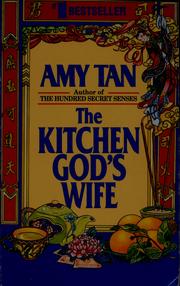 The Kitchen God's WifeAmy TanA sweeping, deeply intimate confession that bridges the chasm of unspoken history between a mother and daughter.
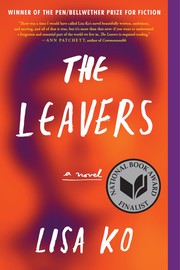 The leaversLisa KoA poignant, cross-cultural exploration of identity, loss, and the enduring, complicated ties between a mother and her son.
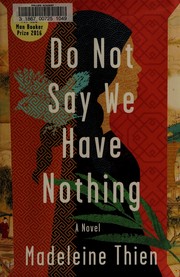 Do not say we have nothingMadeleine ThienA sweeping, melancholic excavation of a fractured family's past, where art and inherited trauma echo across generations.
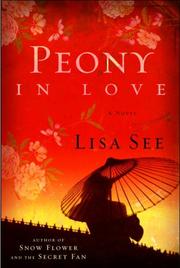 Peony in LoveLisa SeeA lush, haunting exploration of lovesickness and the afterlife, where passion defies the boundaries of mortality.
 Comfort womanNora Okja KellerA haunting, lyrical descent into the inherited ghosts of history and the fierce, complicated love between a mother and daughter.
 What Alice forgotLiane MoriartyA witty, bittersweet exploration of how time and resentment change us, seen through the fresh, optimistic eyes of a forgotten younger self.