Books › The Lathe of Heaven
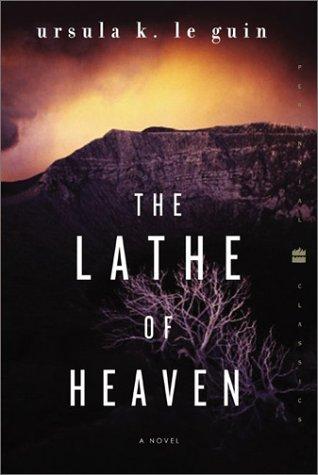
The Lathe of Heaven
229 pages
A quiet, surreal meditation on the terrifying consequences of trying to force the world into a perfect shape.
What it feels like
Reading this book feels like waking from a vivid dream only to realize the waking world has subtly, irrevocably shifted. It unfolds at a steady, contemplative pace, wrapping the reader in an atmosphere of surreal dread and quiet melancholy. The narrative is less concerned with the mechanics of its science fiction premise than with the profound ethical weight of playing god. The prose is lucid and grounded, anchoring the dizzying, kaleidoscopic changes of reality in deep psychological realism and Taoist philosophy. It is a deeply empathetic experience that moves from quiet desperation toward a fragile, hard-won acceptance. This is a perfect read for those who crave philosophical speculative fiction that lingers in the mind, asking uncomfortable questions about the nature of utopia and the violence of good intentions.
- Mood
- surreal
- unsettling
- dreamlike
- melancholic
- Tone
- philosophical
- contemplative
- cautionary
- empathetic
- Pace
- steady
- Themes
- the danger of utopia · ethics of power · nature of reality · Taoist acceptance · medical coercion
- The writing
- Lucid, precise, and quietly poetic, grounding surreal and shifting concepts in stark, human terms.
- The arc
- From quiet desperation and disorientation to a profound, hard-won acceptance of a fractured reality.
- Who it's for
- Readers who crave philosophical, character-driven speculative fiction that prioritizes ethical dilemmas over action.
Content notes
- medical coercion
- psychological manipulation
- drug use
- apocalyptic imagery
- eugenics themes
About the book
“The Lathe of Heaven”; 1971 ( Ursula Le Guin received the 1973 Locus Award for this story) George Orr has a gift – he is an effective dreamer: his dreams become reality when he wakes up. He is aware of his past and present, two or more sets of memories, although the people around him are only aware of the current reality. This science fiction story is set in Portland, Oregon, in/around the late 1990s - early 2000s. Orr begins to take drugs to suppress dreams but eventually he is sent to a psychotherapist, Dr. William Haber, who has developed an electronic machine, the Augmentor, which records the brain patterns of a person as they dream. When Haber realizes that he can use Orr's unique ability to change their world, the consequences are both beneficial and frightening, both locally and globally. Orr seeks out the help of a civil rights lawyer, Heather Lelache, who attends a treatment session, and sees Portland change before her very eyes as Orr awakens. In a strange turn of events, Heather helps Orr by putting him in a dream state where Orr can undo some of Haber's actions. The result – Aliens on the Moon land on Earth! A special affinity exists between George Orr and the Aliens, who seem to understand his unique gift. Ultimately Haber decides to impose Orr's brain patterns on his own, so that he can bring about world-wide changes. Orr and Heather feel the chaos and a sense of a void as Haber dreams. Orr rushes back to Haber's office and turns off the Augmentor. The world returns to April 1998.
Description from Open Library.
Books like The Lathe of Heaven
See why they match The Word for World is ForestUrsula K. Le GuinA haunting, verdant fever dream that explores the devastating cost of introducing violence to a peaceful world.
 The DispossessedÚrsula K. Le GuinA brilliant, quiet meditation on the walls we build between societies and the solitary courage required to tear them down.
 Changing planesÚrsula K. Le GuinA wry, imaginative travelogue through bizarre alternate realities that holds a gentle funhouse mirror up to our own world.
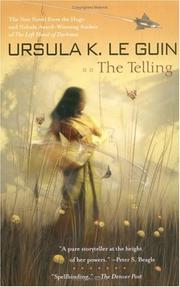 The TellingUrsula K. Le GuinA quiet, profound meditation on the stories we tell to survive the erasure of our history.
 Rocannon's WorldUrsula Kroeber Le GuinA melancholic blend of science fiction and high fantasy that reads like a newly discovered myth.
 Beggars in SpainNancy KressA sweeping, intellectually rigorous exploration of what happens when human evolution outpaces human empathy.