Books › The Lexus and The Olive Tree, Revised Edition

The Lexus and The Olive Tree, Revised Edition
Understanding Globalization
720 pages
A globe-trotting, analytical exploration of the friction between rapid modernization and deep-rooted cultural traditions.
What it feels like
Reading this book feels like embarking on a brisk, globe-trotting expedition alongside a deeply observant guide. The narrative moves dynamically from the Amazon rain forest to Wall Street, weaving vivid personal anecdotes with sweeping economic analysis. It immerses the reader in an expansive, intellectually stimulating atmosphere where the rapid currents of modern capitalism constantly collide with the deep, ancient roots of community and tradition. The prose is accessible and metaphorical, translating complex international systems into tangible human stories. It is an engrossing experience designed for readers who want to understand the invisible forces shaping our interconnected world, offering a journey that balances a fascination with technological progress against a sobering look at the cultural backlash it provokes.
- Mood
- expansive
- intellectual
- dynamic
- inquisitive
- Tone
- analytical
- observant
- authoritative
- journalistic
- Pace
- brisk
- Themes
- global interconnectedness · progress versus tradition · economic transformation · cultural preservation
- The writing
- Vivid and anecdotal, utilizing original metaphors and real-world stories to distill complex economic systems into accessible concepts.
- The arc
- Moves from a sweeping curiosity about a rapidly changing world to a grounded understanding of the delicate balance between progress and tradition.
- Who it's for
- Readers fascinated by international affairs, economics, and the cultural impacts of rapid technological integration.
Content notes
- economic displacement
- cultural conflict
About the book
As the Foreign Affairs columnist for The New York Times, Thomas L. Friedman has traveled to the four corners of the globe, interviewing people from all walks of contemporary life - Brazilian peasants in the Amazon rain forest, new entrepreneurs in Indonesia, Islamic students in Teheran, and the financial wizards on Wall Street and in Silicon Valley.
Now Friedman has drawn on his years on the road to produce an engrossing and original look at the new international system that, more than anything else, is shaping world affairs today: globalization.
His argument can be summarized quite simply. Globalization is not just a phenomenon and not just a passing trend. It is the international system that replaced the Cold War system. Globalization is the integration of capital, technology, and information across national borders, in a way that is creating a single global market and, to some degree, a global village.
With vivid stories and a set of original terms and concepts, Friedman shows us how to see this new system. He dramatizes the conflict of "the Lexus and the olive tree" - the tension between the globalization system and ancient forces of culture, geography, tradition, and community. He also details the powerful backlash that globalization produces among those who feel brutalized by it, and he spells out what we all need to do to keep this system in balance.
Description from Open Library.
Books like The Lexus and The Olive Tree, Revised Edition
See why they match The World Is Flat -A Brief History OF THE TWENTY-FIRST CENTURYThomas L. FriedmanA sweeping, anecdote-driven tour of a rapidly shrinking globe that leaves you feeling both awestruck and urgently compelled to keep pace.
 Globalization and its discontentsJoseph E. StiglitzA sobering, impassioned dismantling of the global economic order that reveals the human cost of institutional dogma.
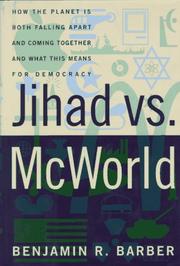 Jihad vs. McWorldBenjamin BarberAn elegant, urgent dissection of the paradoxical forces of global consumerism and tribal fragmentation threatening modern democracy.
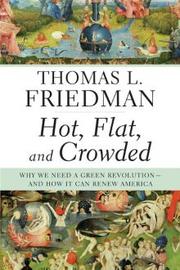 Hot, flat, and crowdedThomas L. FriedmanA sweeping, anecdote-rich wake-up call that transforms climate anxiety into a blueprint for global innovation.
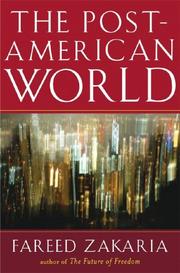 The post-American worldFareed ZakariaA clear-eyed, panoramic view of a rapidly changing globe that replaces anxiety with pragmatic optimism.
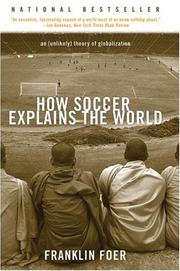 How Soccer Explains the WorldFranklin FoerA globe-trotting, intellectually restless journey that uses the world's most popular sport as a decoder ring for modern geopolitics.