Books › The Lifecycle of Software Objects

The Lifecycle of Software Objects
150 pages
A quiet, deeply empathetic exploration of what it means to raise, love, and eventually fail a conscious being made of code.
What it feels like
Reading this novella feels like watching a child grow up through a time-lapse lens, tinged with the specific, quiet anxiety of a dying hard drive. The narrative moves at a steady, deliberate pace, mirroring the long, unglamorous years of caregiving and the slow creep of technological obsolescence. Chiang's prose is characteristically lucid and unadorned, creating a contemplative atmosphere where philosophical questions about consciousness and personhood are grounded in the mundane realities of software updates and corporate bankruptcies. It is a deeply empathetic, bittersweet experience that eschews high-stakes action for the profound, everyday weight of responsibility. This is a story for anyone who loves science fiction that asks not just if we can create life, but how we bear the exhausting, beautiful burden of nurturing it.
- Mood
- contemplative
- bittersweet
- quietly anxious
- Tone
- thoughtful
- empathetic
- analytical
- earnest
- Pace
- steady
- Themes
- the burden of caregiving · technological obsolescence · ethics of consciousness · the slow passage of time · unconventional parenthood
- The writing
- Clean, precise, and deeply lucid, prioritizing intellectual clarity and quiet emotional resonance over stylistic flourish.
- The arc
- Begins with the hopeful spark of creation and deepens into a long, bittersweet meditation on the exhausting, enduring nature of care.
- Who it's for
- Readers who crave philosophical science fiction that treats technological advancement not as a thriller plot, but as a complex, everyday human responsibility.
Content notes
- existential dread
- corporate exploitation
- loss of a companion
About the book
The story of two people and the artificial intelligences they helped create, following them for more than a decade as they deal with the upgrades and obsolescence that are inevitable in the world of software. At the same time, it's an examination of the difference between processing power and intelligence, and of what it means to have a real relationship with an artificial entity.
Description from Open Library.
Books like The Lifecycle of Software Objects
See why they match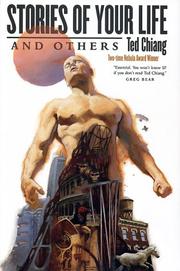 Stories of Your Life and OthersTed ChiangA collection of mind-bending thought experiments that quietly break your heart while expanding your understanding of the universe.
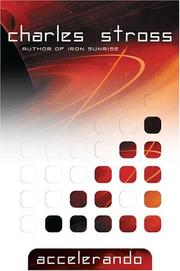 AccelerandoCharles StrossA relentless, jargon-fueled rollercoaster ride through the technological singularity that will leave your brain feeling overclocked.
 After onReid, RobertA sharp, chaotic satire where Silicon Valley hubris collides with the hyper-caffeinated energy of a sentient, internet-obsessed AI.
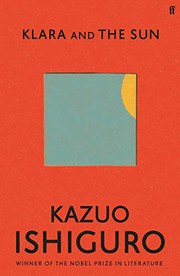 Klara and the SunKazuo IshiguroA quiet, sunlit meditation on devotion and what it truly means to possess a human heart, told through the earnest eyes of an artificial being.
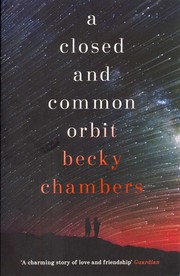 A Closed and Common OrbitBecky ChambersA gentle, deeply empathetic exploration of personhood, trauma, and the quiet triumph of finding your people.
 Life 3.0Max TegmarkA mind-expanding journey to the very edges of technological possibility and human purpose.