Books › The Light of Asia

The Light of Asia
First published 1994 · 320 pages
A lush, poetic journey through the awakening of a prince who trades a kingdom for the spiritual salvation of the world.
What it feels like
Reading this epic poem feels like stepping into a grand, sweeping tapestry of spiritual awakening. The narrative unfolds at a steady, deliberate pace, carrying you through lush palaces and ascetic forests on a wave of rhythmic, Victorian blank verse. It is a deeply reverent and contemplative experience, wrapping the reader in a serene atmosphere that balances the dramatic weight of human suffering with the transcendent peace of enlightenment. The ornate, melodic language demands to be savored slowly, making it less of a quick read and more of a meditative practice. It will deeply delight lovers of classic poetry, spiritual seekers, and anyone who finds solace in beautifully crafted explorations of compassion, renunciation, and the eternal search for meaning.
- Mood
- contemplative
- serene
- transcendent
- awe-inspiring
- Tone
- reverent
- earnest
- majestic
- lyrical
- Pace
- steady
- Themes
- spiritual awakening · renunciation of wealth · the search for meaning · universal compassion · the illusion of the material world
- The writing
- Written in sweeping blank verse, the language is ornate, rhythmic, and steeped in Victorian romanticism, offering a lush and melodic reading experience.
- The arc
- Moves from the sheltered opulence of worldly illusion through the profound sorrow of witnessing suffering, culminating in the serene triumph of spiritual awakening.
- Who it's for
- Readers who love classic epic poetry and spiritual seekers looking to immerse themselves in a beautifully romanticized telling of Eastern philosophy.
Content notes
- depictions of suffering and death
- asceticism
About the book
In this poetic masterpiece, Sir Edwin Arnold describes the life and teachings of Buddha. The man who was to become known as Buddha to the world was born as Prince Gautama of India but he rejected the worldly riches and abandoned the reigns of power when he embarked on a journey to discover the meaning of life. This poem reveals Buddha's life from the Buddhist perspective but you don't have to be a Buddhist to appreciate this poetic work. As you read about Buddha's journey you will embark on your own course of discovery. First published in 1879, the book has become a classic and has been published in many editions and many languages. Not only is it deeply philosophical in nature, but because of its poetic form and its narrative of the dramatic incidents in Siddhartha's life, it is delightful and absorbing reading.
Description from Open Library.
Books like The Light of Asia
See why they match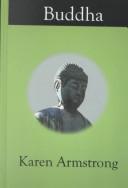 BuddhaKaren ArmstrongA grounded, empathetic exploration of a man's transformation into a myth, blending historical rigor with spiritual resonance.
 What the Buddha taughtWalpola RahulaA clear, unclouded window into ancient wisdom that strips away mysticism to reveal practical truths about the human condition.
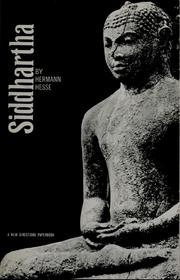 SiddharthaHermann HesseA quiet, lyrical fable about the lifelong, winding search for spiritual truth and inner peace.
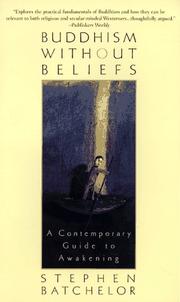 Buddhism Without BeliefsStephen BatchelorA pragmatic, dogma-free invitation to experience ancient philosophy as a practical, everyday way of living rather than a rigid religion.
 The Buddha and his DhammaBhimrao Ramji AmbedkarA rigorous, socially conscious reimagining of ancient teachings that transforms spiritual philosophy into a blueprint for human liberation.
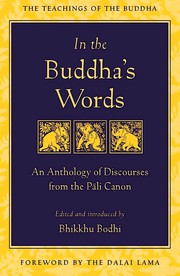 In the Buddha's wordsBodhiA systematic and eloquent journey into ancient wisdom, offering a clear path from everyday life to profound spiritual insight.