Books › The machine that changed the world

The machine that changed the world
First published 1990 · 323 pages
A methodical, paradigm-shifting exploration of how rethinking systems can revolutionize the way the world works.
What it feels like
Reading this book feels like stepping onto the floor of a perfectly orchestrated factory where every movement has purpose. It is a deeply pragmatic and intellectually satisfying experience, offering a steady, methodical dismantling of old assumptions in favor of a sleeker, more logical reality. The prose is clear and authoritative, guiding the reader through complex global systems with the precision of an engineer. There is a quiet thrill in its pages for anyone who loves optimization, as it builds a persuasive, data-rich case for continuous improvement. It will thoroughly delight systems thinkers, operations nerds, and business leaders who want to understand the invisible mechanics that drive modern industry and how to make them better.
- Mood
- intellectual
- pragmatic
- industrious
- forward-looking
- Tone
- authoritative
- analytical
- persuasive
- objective
- visionary
- Pace
- steady
- Themes
- efficiency and optimization · paradigm shifts · continuous improvement · systems thinking · industrial evolution
- The writing
- Clear, structured, and data-rich, prioritizing logical argumentation and accessible explanations of complex systems.
- The arc
- Moves from a grounded historical perspective to an urgent, eye-opening realization of how systems can be fundamentally improved.
- Who it's for
- Business leaders, engineers, and systems thinkers who are obsessed with efficiency and how things are made.
About the book
Explains lean production and its global implications in the auto industry.
Based on the Massachusetts Institute of Technology 5-million-dollar 5-year study on the future of the automobile.
Includes bibliographical references and index.
Description from Open Library.
Books like The machine that changed the world
See why they match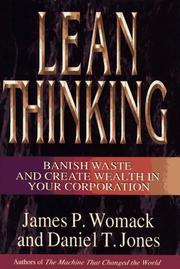 Lean thinkingJames P. WomackA pragmatic, clarifying blueprint for stripping away the unnecessary and building systems that actually work.
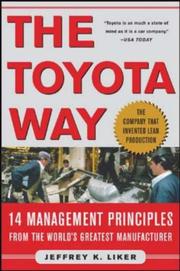 The Toyota WayJeffrey K. LikerA masterclass in stripping away the unnecessary to reveal the quiet power of continuous, purposeful improvement.
 Toyota Production SystemTaiichi OhnoA surprisingly philosophical masterclass in stripping away the unnecessary to reveal the elegant, efficient core of how systems should work.
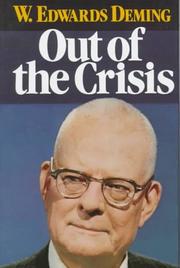 Out of the crisisW. Edwards DemingA rigorous, uncompromising blueprint for dismantling corporate dysfunction and building systems rooted in quality and human dignity.
 Trading placesClyde V. PrestowitzA fascinating time capsule of 1980s geopolitical anxiety that reads like an urgent briefing from the front lines of global trade.
 Rise of the RobotsMartin FordA sobering, data-driven look into the encroaching obsolescence of human labor and the urgent need to rethink our economic future.