Books › Lean thinking

Lean thinking
First published 1996 · 400 pages
A pragmatic, clarifying blueprint for stripping away the unnecessary and building systems that actually work.
What it feels like
Reading this book feels like putting on a pair of X-ray glasses that suddenly reveal the hidden inefficiencies in every system around you. The pace is steady and methodical, anchoring its sweeping operational philosophies in gritty, real-world case studies from Porsche to Pratt & Whitney. It replaces the usual corporate anxiety of doing more with less with a calm, purposeful focus on simply doing what matters. The prose is clear, authoritative, and deeply pragmatic, speaking directly to the frustrations of modern management. It is a highly satisfying read for systems thinkers, operations nerds, and business leaders who want to cut through organizational bloat and build something that flows with elegant, waste-free precision.
- Mood
- focused
- industrious
- purposeful
- clear-eyed
- Tone
- authoritative
- pragmatic
- analytical
- persuasive
- optimistic
- Pace
- steady
- Themes
- continuous improvement · eliminating waste · organizational transformation · customer-centric value · systemic efficiency
- The writing
- Direct, structured, and grounded in detailed, real-world case studies that make abstract operational concepts tangible.
- The arc
- Moves from a shared frustration with corporate stagnation to an empowering, clear-headed vision of streamlined success.
- Who it's for
- Operations managers, business leaders, and systems thinkers who crave actionable frameworks over vague corporate buzzwords.
About the book
"After a decade of downsizing and reengineering, most companies in North America, Europe, and Japan are still stuck, searching for a formula for sustainable growth and success. The problem, as Womack and Jones explain in Lean Thinking, is that managers have lost sight of value for the customer and how to create it. By focusing on their existing organizations and outdated definitions of value, managers create waste, and the economies of the advanced countries continue to stagnate.".
"What's needed instead is lean thinking to help managers clearly specify value, to line up all the value-creating activities for a specific product along a value stream, and to make value flow smoothly at the pull of the customer in pursuit of perfection. The first part of the book describes each of these concepts and makes them come alive with striking examples.".
"As Lean Thinking clearly demonstrates, these simple ideas can breathe new life into any company in any industry, routinely doubling both productivity and sales while stabilizing employment. But most managers will need guidance on how to make the lean leap in their firm. Part II provides a step-by-step action plan, based on in-depth studies of fifty lean companies in a wide range of industries across the world - including Pratt & Whitney, Porsche, and Toyota.".
"Even those readers who believe they have embraced lean thinking will discover in Part III that another dramatic leap is possible by creating a lean enterprise for each of their product families that tightly links all value-creating activities from concept to product launch, from order to delivery, and from raw materials into the arms of the consumer.
This new concept takes the best features from the American, German, and Japanese industrial traditions and recombines them in a way that can be applied to every economic activity, from long distance travel to construction to health care."--BOOK JACKET.
Description from Open Library.
Books like Lean thinking
See why they match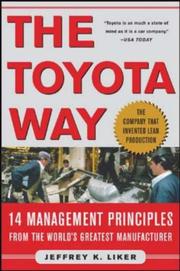 The Toyota WayJeffrey K. LikerA masterclass in stripping away the unnecessary to reveal the quiet power of continuous, purposeful improvement.
 The machine that changed the worldJames P. WomackA methodical, paradigm-shifting exploration of how rethinking systems can revolutionize the way the world works.
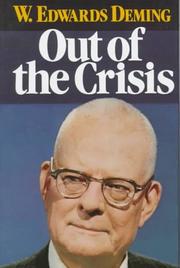 Out of the crisisW. Edwards DemingA rigorous, uncompromising blueprint for dismantling corporate dysfunction and building systems rooted in quality and human dignity.
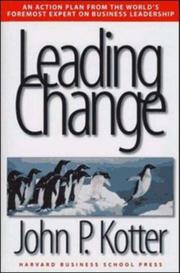 Leading ChangeJohn P. KotterA pragmatic, step-by-step masterclass in steering the massive, stubborn ship of human behavior toward a new horizon.
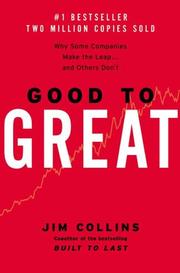 Good to GreatJim CollinsA methodical, research-backed roadmap that transforms the daunting challenge of organizational excellence into a series of disciplined, actionable steps.
 The Fifth DisciplinePeter M. SengeA paradigm-shifting masterclass in seeing the hidden webs of connection that drive human collaboration and success.