Books › The map that changed the world

The map that changed the world
First published 2001 · 439 pages
An earthy, atmospheric journey into the mind of an underdog who looked at the dirt beneath his feet and saw the deep history of the world.
What it feels like
Reading this book feels like walking across the damp, chalky hills of nineteenth-century England alongside a brilliant, overlooked friend. It is a steady, deeply atmospheric work of narrative nonfiction that immerses you in the tactile reality of rocks, fossils, and the stubborn pursuit of knowledge. The prose is erudite yet highly accessible, painting a vivid picture of a society rigidly divided by class, where a working-class visionary is repeatedly thwarted by aristocratic gatekeepers. As you follow the protagonist's descent into financial ruin and his eventual, hard-won vindication, the emotional texture shifts from quiet fascination to righteous indignation, culminating in a profound sense of triumph. It is a perfect read for those who delight in the intersection of human frailty and scientific discovery.
- Mood
- atmospheric
- intellectual
- melancholy
- earthy
- Tone
- erudite
- empathetic
- reverent
- indignant
- Pace
- steady
- Themes
- class prejudice in science · obsession and perseverance · the deep history of the earth · unacknowledged genius
- The writing
- Richly descriptive and elegantly structured, blending biographical detail with evocative descriptions of the English landscape.
- The arc
- Moves from quiet fascination through frustrating injustice to a deeply satisfying, albeit delayed, vindication.
- Who it's for
- Readers who love character-driven historical nonfiction about eccentric underdogs who quietly revolutionize our understanding of the world.
Content notes
- financial ruin
- class discrimination
- confinement
About the book
The last day of August 1819, a Tuesday, dawned gray, showery, and refreshingly cool in London, promising a welcome end to a weeklong spell of close and muggy weather that seemed to have put all the capital's citizens in a nettlesome, liverish mood.
Description from Open Library.
Books like The map that changed the world
See why they match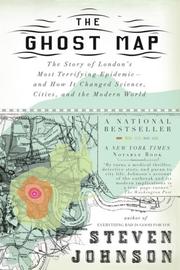 The Ghost MapSteven JohnsonA gripping, grimy descent into Victorian London that reads like a medical detective thriller where science races against a deadly, invisible clock.
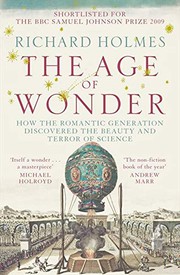 The age of wonderHolmes, RichardA sweeping, luminous journey into the minds of the dreamers and explorers who married poetry with the scientific method.
 Losing EarthNathaniel RichA gripping, infuriating historical thriller about the decade we almost saved the world, and the human flaws that stopped us.
 The man who loved ChinaSimon WinchesterA sumptuous, globe-trotting biography that captures the thrill of intellectual obsession and the romance of uncovering a civilization's forgotten brilliance.
 The Rise and Fall of the DinosaursSteve BrusatteA globe-trotting, time-traveling adventure that reignites the childhood awe of prehistoric giants through the lens of modern science.
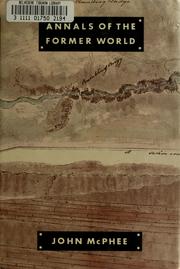 Annals of the former worldJohn McPheeA majestic, slow-moving road trip through deep time that forever changes how you look at the ground beneath your feet.