Books › The march of folly

The march of folly
from Troy to Vietnam
784 pages
A sweeping, sharply written autopsy of human hubris that leaves you marveling at the cyclical blindness of power.
What it feels like
Reading this book feels like sitting with a brilliant, slightly cynical historian who is methodically laying out the greatest unforced errors of human civilization. The pace is steady and deliberate, carrying you through centuries of political blunders with an elegant, authoritative voice. Tuchman's prose is sharp and deeply observant, transforming dry historical records into a mounting tragedy of arrogance and institutional blindness. The mood is one of exasperated fascination; you watch leaders walk willingly into disaster, armed with every warning but blinded by their own hubris. It is a deeply satisfying read for those who love grand narrative history, offering a sobering but utterly engrossing look at the psychology of power and the timelessness of human folly.
- Mood
- exasperating
- tragic
- contemplative
- sweeping
- Tone
- authoritative
- wry
- critical
- incisive
- erudite
- Pace
- steady
- Themes
- hubris and arrogance · the blindness of power · institutional failure · historical repetition · the psychology of leadership
- The writing
- Elegant and robust, blending grand historical sweep with biting, sharply observed character assessments.
- The arc
- Begins with intellectual curiosity and builds to a profound, exasperated dread as the cyclical nature of human arrogance reveals itself.
- Who it's for
- Readers who love sweeping, narrative-driven history that dissects the psychological and systemic roots of political disaster.
Content notes
- historical warfare
- political corruption
- mass casualties
About the book
Traces and explores the recurring pursuit by governments of policies contrary to their own interests.
Description from Open Library.
Books like The march of folly
See why they match Why the West Rules - For NowIan MorrisA sweeping, God's-eye view of human history that turns millennia of data into a gripping puzzle about geography, power, and our collective future.
 The origins of political orderFrancis FukuyamaA sweeping, intellectual journey through the deep history of human civilization and the fragile institutions that hold it together.
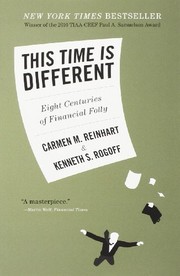 This time is differentCarmen M. ReinhartA sweeping, data-rich reality check that proves financial hubris is humanity's oldest repeating loop.
 The pursuit of powerWilliam H. McNeillA sweeping, sobering journey through a millennium of human conflict, tracing how markets and technology forged the modern military-industrial complex.
 The proud towerBarbara Wertheim TuchmanA sweeping, fateful portrait of a glittering and fractured world hurtling toward cataclysm.
 The wealth and poverty of nationsDavid S. LandesA sweeping, opinionated masterclass in economic history that challenges the reader to grapple with the cultural and technological roots of global inequality.