Books › The Master Switch
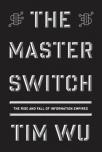
The Master Switch
The Rise and Fall of Information Empires
431 pages
A sweeping, cautionary journey through the history of media that reveals how every open frontier of communication eventually falls to corporate empires.
What it feels like
Reading this book feels like putting on a pair of X-ray glasses that suddenly reveal the hidden, cyclical architecture of modern history. It is a steady, deeply intellectual experience that pulls you through the exhilarating, chaotic early days of radio, film, and the telephone, only to drop you into the sobering reality of corporate consolidation. The narrative is engaging and accessible, yet laced with a creeping, foreboding dread as you realize the open internet is not immune to the monopolistic forces of the past. It delights readers who crave 'aha' moments and sweeping historical synthesis, offering a revelatory lens through which to view the screens and networks that dominate our daily lives.
- Mood
- intellectual
- foreboding
- revelatory
- Tone
- analytical
- cautionary
- authoritative
- engaging
- Pace
- steady
- Themes
- the illusion of permanent openness · cyclical nature of history · corporate consolidation · power and control · technological determinism
- The writing
- Accessible and narrative-driven, blending vivid historical anecdotes with sharp, lucid economic analysis.
- The arc
- Begins with the exhilarating, chaotic dawn of new inventions and gradually descends into a sobering recognition of inevitable monopolistic control.
- Who it's for
- Curious minds, tech enthusiasts, and policy wonks who want to understand the hidden historical forces shaping the media they consume.
Content notes
- corporate malfeasance
About the book
In this age of an open internet, it is easy to forget that every American information industry, beginning with the telephone, has eventually been taken captive by some ruthless monopoly or cartel. With all our media now traveling a single network, an unprecedented potential is building for centralized control over what Americans see and hear. Could history repeat itself with the next industrial consolidation? Could the internet- the entire flow of American information- come to be ruled by one corporate leviathan in possession of "the master switch"? That is the big question that the author presents in this pathbreaking book. As Wu's sweeping history shows, each of the new media of the twentieth century- radio, telephone, television, and film- was born free and open. Each invited unrestricted use and enterprising experiment until some would-be mogul battled his way to total domination. Explaining how invention begets industry and industry begets empire- a progress often blessed by government, typically with stifling consequences for free expression and technical innovation alike- Wu identifies a time-honored pattern in the maneuvers of today's great information powers: Apple, Goggle, and an eerily resurgent AT & T.A battle royal looms for the internet's future, and with almost every aspect of our lives now dependent on that network, this is one war we dare not tune out. Part industrial expose, part meditation of what freedom requires in the information age, this book is a stirring illumination of a drama that has played out over decades in the shadows of our national life and now culminates with terrifying implications for our future. -- from Book Jacket.
Description from Open Library.
Books like The Master Switch
See why they match The Attention MerchantsTim WuA revelatory, slightly unsettling journey through the history of how our focus became the world's most valuable commodity.
 The Curse of BignessTim WuAn urgent, historically grounded warning about the democratic dangers of unchecked corporate monopolies and a rallying cry for progressive reform.
 Exploding the PhonePhil LapsleyA thrilling, nostalgic dive into the clandestine world of mid-century tech rebels who turned the global telephone network into their personal playground.
 Where wizards stay up lateKatie HafnerA captivating, behind-the-scenes journey into the late-night labs where eccentric visionaries quietly wired the modern world together.
 How not to network a nationBenjamin PetersA fascinating, ironic exploration of how bureaucratic infighting suffocated a technological utopia.
 How we got to nowSteven JohnsonA thrilling intellectual treasure hunt that reveals the invisible threads connecting a glass of clean water to the invention of the microchip.