Books › The mushroom at the end of the world
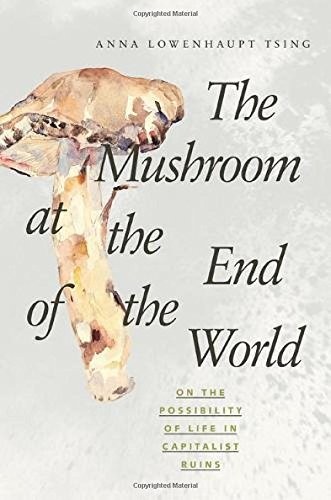
The mushroom at the end of the world
352 pages
A poetic, foraging journey through the ruins of capitalism to find unexpected life, resilience, and connection.
What it feels like
Reading this book feels like walking through a damp, quiet forest after a devastating fire, only to spot the sudden, miraculous sprout of a rare mushroom. It is a deeply earthy and contemplative experience, moving at a meandering pace that mimics the act of foraging itself. The prose is a beautiful hybrid of rigorous anthropology and lyrical nature writing, inviting you to slow down and look closely at the overlooked margins of our world. It carries a mood of melancholic hope, acknowledging the profound damage of industrial capitalism while marveling at the stubborn, entangled resilience of life. This is a book for deep thinkers, nature lovers, and anyone seeking a quiet, profound reassurance about survival and cohabitation in a precarious age.
- Mood
- earthy
- contemplative
- melancholic
- hopeful
- atmospheric
- Tone
- curious
- philosophical
- poetic
- empathetic
- observant
- Pace
- meandering
- Themes
- multispecies entanglement · life in capitalist ruins · ecological resilience · precarity and survival · the beauty of the overlooked
- The writing
- Lyrical and deeply textured, blending rigorous anthropological observation with evocative, sensory storytelling.
- The arc
- Begins in the shadow of ecological and economic ruin, slowly unearthing a quiet, resilient hope through the discovery of interconnected survival.
- Who it's for
- Nature lovers, armchair anthropologists, and deep thinkers looking for a new, hopeful lens through which to view our damaged planet.
Content notes
- environmental degradation
- capitalist exploitation
- historical displacement
About the book
"A tale of diversity within our damaged landscapes, The Mushroom at the End of the World follows one of the strangest commodity chains of our times to explore the unexpected corners of capitalism. Here, we witness the varied and peculiar worlds of matsutake commerce: the worlds of Japanese gourmets, capitalist traders, Hmong jungle fighters, industrial forests, Yi Chinese goat herders, Finnish nature guides, and more. These companions also lead us into fungal ecologies and forest histories to better understand the promise of cohabitation in a time of massive human destruction,"--Amazon.com.
Description from Open Library.
Books like The mushroom at the end of the world
See why they match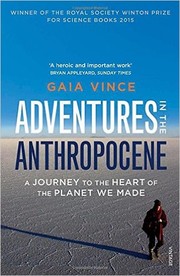 Adventures in the AnthropoceneGaia VinceA globe-trotting, deeply human look at our changing planet that balances the gravity of ecological crisis with the spark of human resilience.
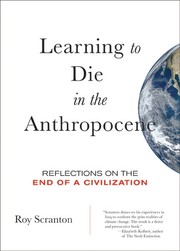 Learning to die in the AnthropoceneRoy ScrantonA fierce, concise, and philosophical confrontation with the grim realities of climate change that ultimately searches for a reimagined humanism.
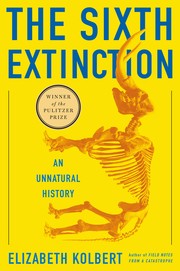 The Sixth ExtinctionElizabeth KolbertA sobering, globe-trotting journey through deep time and fragile ecosystems that fundamentally alters how you view humanity's footprint.
 Doughnut economicsKate RaworthA visionary and pragmatic guide to redesigning global economics for a sustainable, human-centered future.
 The Ecology of FreedomMurray BookchinA sweeping, interdisciplinary manifesto that traces the roots of human domination and charts a visionary path toward ecological liberation.
 This Changes EverythingNaomi KleinA fiercely urgent wake-up call that transforms climate dread into a demand for radical systemic change.