Books › The octopus, a story of California
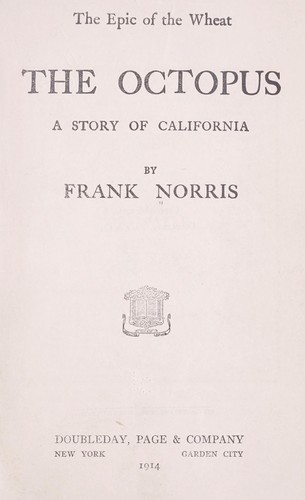
The octopus, a story of California
First published 1914 · 692 pages
A sweeping, tragic epic where human lives are ground to dust beneath the unstoppable wheels of industrial greed and indifferent nature.
What it feels like
Reading this novel feels like watching a slow-moving storm gather over a vast, sun-baked landscape. It is a heavy, monumental experience, steeped in the gritty determinism of American Naturalism, where human agency is constantly dwarfed by the titanic, indifferent forces of industry and nature. The prose is muscular and sweeping, painting the California wheat fields and the encroaching steel of the railroad with an almost mythic intensity. As the tension between the ranchers and the corporation tightens, the mood grows increasingly oppressive and tragic, building to a crescendo of desperate violence. It is a deeply indignant, fatalistic book that will captivate readers who love the sprawling, socially conscious epics of Steinbeck, Sinclair, and Zola.
- Mood
- oppressive
- earthy
- tense
- monumental
- tragic
- Tone
- indignant
- fatalistic
- grandiose
- earnest
- sweeping
- Pace
- steady
- Themes
- corporate greed · indifference of nature · crushing weight of industrialization · loss of human agency · moral corruption
- The writing
- Muscular, sweeping, and heavily descriptive, leaning into the grandiose rhetoric of American Naturalism.
- The arc
- Begins with a simmering, localized tension over land and livelihood, swelling into desperate, violent resistance before settling into a crushing, fatalistic resignation to larger forces.
- Who it's for
- Readers who appreciate sweeping, socially conscious historical epics and the heavy, deterministic weight of classic American Naturalism.
Content notes
- gun violence
- corporate exploitation
- poverty
- animal death
- suicide
About the book
Nominally, a fictional story of the disputes between a railroad and ranchers in California, it was actually a stern critique of the Central Pacific Railroad based on the famous "Mussel Slough Tragedy" where a shootout occurred between railroad men and citizens of a small California town. The Octopus was originally planned to be part one of a three part trilogy, The Epic of the Wheat. Part two, The Pit, was published later but Norris died before completing the third novel.
Description from Open Library.
Books like The octopus, a story of California
See why they match McTeagueFrank NorrisA heavy, unsparing descent into the primal, greed-driven underbelly of human nature.
 The 42nd ParallelJohn Dos PassosA kaleidoscopic, fragmented plunge into the chaotic birth of the American twentieth century.
 Oil!Upton SinclairA sprawling, sun-baked epic of American capitalism that pits a son's awakening conscience against his father's relentless ambition.
 Tortilla FlatJohn SteinbeckA boozy, sun-drenched mock-epic that elevates the lives of California outcasts into a bittersweet Arthurian tragedy.
 The JungleUpton SinclairA visceral, relentless descent into the grinding machinery of industrial exploitation that shatters the illusion of the American Dream.
 The FinancierTheodore DreiserA sprawling, unapologetic deep dive into the cold mechanics of ambition and the ruthless heart of American capitalism.