Books › The portable atheist

The portable atheist
Essential Readings for the Nonbeliever
First published 2007 · 499 pages
A bracing, intellectually rigorous journey through centuries of skeptical thought, offering a defiant celebration of human reason.
What it feels like
Reading this anthology feels like sitting in a dimly lit, smoke-filled study with history's sharpest minds, engaging in a relentless and exhilarating dismantling of dogma. The pace is steady, inviting you to dip in and out of centuries of thought, from ancient philosophical musings to modern scientific takedowns. Framed by introductions that crackle with biting wit and unapologetic erudition, the collection builds a mood of defiant intellectual freedom. It is less a continuous narrative than a curated gallery of rationalist thought, where the prose shifts from the poetic skepticism of Lucretius to the razor-sharp polemics of contemporary secularists. This is a deeply satisfying, illuminating experience for freethinkers and skeptics who relish robust debate and crave a historical anchor for their worldview.
- Mood
- intellectually rigorous
- defiant
- contemplative
- illuminating
- Tone
- erudite
- polemical
- irreverent
- unapologetic
- analytical
- Pace
- steady
- Themes
- intellectual freedom · critique of dogma · rational inquiry · secular humanism · evolution of freethought
- The writing
- A diverse tapestry of historical and contemporary voices, united by sharp, persuasive rhetoric and framed by characteristically biting and eloquent commentary.
- The arc
- The reader journeys through centuries of skepticism, moving from quiet philosophical doubt to a resounding, confident defense of secular rationality.
- Who it's for
- Skeptics, freethinkers, and lovers of robust debate who crave a historical foundation for their secular worldview.
Content notes
- anti-religious sentiment
- discussions of religious violence
- existential themes
About the book
Despite the mistaken use of the label "New Atheists," there is a lot of continuity over the past couple of centuries among atheist authors in their critiques of religion, theism, and superstition. Not every argument is identical, and even when the same basic argument is being offered there can be variety in how it is presented. This evolution of atheist critiques of supernatural religion is one of the virtues of Christopher Hitchens' book The Portable Atheist: Essential Readings for the Nonbeliever. Well known for his own atheist book God Is Not Great, Hitchens treads some very heavily-traveled ground here in editing a compendium of atheist writings. Do we really need yet another book of essays, isolated chapters, and other selections from atheists, agnostics, freethinkers and skeptics of the past? What could we get out of this latest offering that we didn't get from the past half dozen that we bought - or the others that we simply skipped? Those are good questions, and reasons why I was skeptical of Hitchens' book, but in the end I think he succeeds in making his book more than "just one more" collection of atheist essays.
"A Da Capo original"--P. [4] of cover.
Includes bibliographical references and index.
Description from Open Library.
Books like The portable atheist
See why they match God Is Not GreatChristopher HitchensA blistering, erudite polemic that tears down dogma to make room for the awe-inspiring beauty of human reason.
 The portable NietzscheFriedrich NietzscheA fierce, poetic dismantling of traditional morality that challenges you to forge your own meaning in the void.
 GodVictor J. StengerA methodical, science-driven examination that treats the divine as a testable hypothesis.
 The new AtheismVictor J. StengerA rigorous, unapologetic defense of scientific rationalism that methodically dismantles the claims of organized religion.
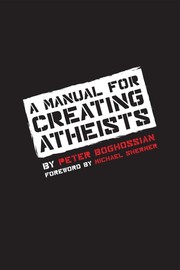 A Manual for Creating AtheistsPeter BoghossianA tactical, unapologetic playbook for dismantling dogma and championing reason in everyday conversations.
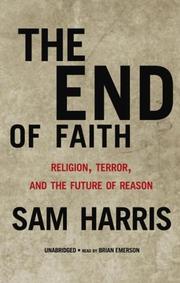 The End of FaithSam HarrisAn uncompromising, razor-sharp intellectual wake-up call that dismantles the societal taboo against criticizing religious dogma.