Books › The printing press as an agent of change

The printing press as an agent of change
First published 1979 · 818 pages
A monumental, paradigm-shifting exploration of how a single technological leap rewired the human mind and birthed the modern world.
What it feels like
Reading this monumental work feels like watching the tectonic plates of human history shift in slow motion. It is a deeply intellectual, steady-paced journey that demands your full attention, immersing you in the meticulous, scholarly atmosphere of the Renaissance and Reformation. The prose is dense and rigorously footnoted, yet it builds an argument so expansive and compelling that it fundamentally alters how you perceive the transmission of knowledge. You aren't just reading about a machine; you are tracing the invisible architecture of modern thought, witnessing how the democratization of information birthed science, religion, and culture as we know it. It will thoroughly delight media theorists, historians, and patient readers who crave sweeping, paradigm-altering revelations about human civilization.
- Mood
- intellectual
- contemplative
- expansive
- Tone
- scholarly
- authoritative
- meticulous
- analytical
- Pace
- steady
- Themes
- technological paradigm shifts · democratization of knowledge · cultural evolution · the architecture of history
- The writing
- Dense, rigorous, and heavily annotated, demanding careful attention but rewarding it with crystalline, paradigm-altering clarity.
- The arc
- Begins with focused historical curiosity and expands into a profound, sweeping awe at the invisible forces shaping human consciousness.
- Who it's for
- Deep thinkers, media theorists, and history enthusiasts who love tracing the invisible roots of modern civilization.
About the book
"Complete in one volume."
Includes bibliographical references (p. 709-767) and indexes.
Description from Open Library.
Books like The printing press as an agent of change
See why they match The medium is the massageMarshall McLuhanA dizzying, visual collision of text and image that playfully rewires your brain to see the invisible forces shaping modern consciousness.
 The myth of the machineLewis MumfordA sweeping, multi-volume intellectual exploration of how tools and machinery have shaped the human condition.
 History Of Communication StudyEverett M. RogersA biographical journey through the minds and institutions that shaped how we understand human connection and media.
 The discoverersDaniel J. BoorstinA sweeping, encyclopedic journey through the history of human curiosity and the relentless quest to understand the world.
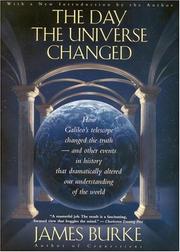 The Day the Universe ChangedBurke, JamesA dizzying, exhilarating ride through the hidden connections and paradigm shifts that built the modern mind.
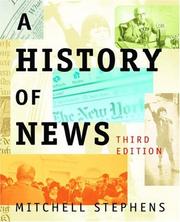 A history of newsMitchell StephensA comprehensive, scholarly exploration of how humanity has gathered and shared information throughout history.