Books › The psychology of money

The psychology of money
First published 1998 · 332 pages
A rigorous, research-driven exploration of the strange, irrational ways human minds process wealth, value, and status.
What it feels like
Reading this book feels like sitting in a fascinating, upper-level university seminar on human behavior. It moves at a steady, methodical pace, carefully peeling back the layers of our everyday financial decisions to reveal the deep-seated psychological quirks underneath. The tone is decidedly academic and analytical, prioritizing rigorous research and structured arguments over breezy pop-science anecdotes. As you progress, the mood remains highly intellectual and reflective, prompting you to constantly evaluate your own irrational attachments to wealth and status. It is a deeply grounding experience, trading emotional highs and lows for the quiet satisfaction of understanding complex behavioral patterns. This is the perfect read for those who want a serious, data-backed look at why we act so strangely around cash.
- Mood
- intellectual
- reflective
- structured
- Tone
- analytical
- academic
- objective
- inquisitive
- Pace
- steady
- Themes
- human irrationality · behavioral economics · financial pathology · societal values · psychological conditioning
- The writing
- Methodical and research-driven, prioritizing clarity, data, and structured argumentation over narrative flourish.
- The arc
- Begins with everyday curiosities about spending and saving, gradually deepening into a sobering realization of how deeply irrational our financial behaviors truly are.
- Who it's for
- Readers who prefer their behavioral psychology grounded in rigorous academic research rather than pop-science anecdotes.
Content notes
- financial anxiety
About the book
Includes bibliographical references (p. [301]-324) and index.
Description from Open Library.
Books like The psychology of money
See why they match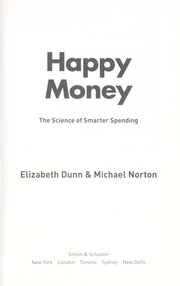 Happy moneyElizabeth DunnA breezy, science-backed guide that flips the script on personal finance, focusing on how to buy joy rather than just accumulate wealth.
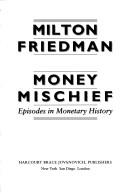 Money mischiefMilton FriedmanA lucid, historical journey through the illusions and realities of money that will forever change how you view the dollar in your pocket.
 Human motivationRobert E. FrankenA rigorous, structured deep dive into the biological and cognitive engines that drive human behavior.
 MotivationRobert C. BeckA rigorous, academic deep-dive into the psychological and physiological engines of human behavior.
 CashvertisingDrew Eric WhitmanA brisk, highly pragmatic exploration of the psychological levers that drive human decision-making and consumer behavior.
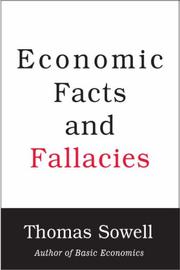 Economic Facts and FallaciesThomas SowellA sharp, no-nonsense dismantling of popular economic myths that trades emotional rhetoric for cold, hard data.